Aligning instruction, Catholic values, assessment, and feedback for deeper student learning.
Welcome to this comprehensive overview of the Grade 8 Social Studies ACRSS Assessment Framework. We are no longer merely curators of dates; we are architects of critical thinking.
The study of history has evolved from a static record of the past into an immersive, interactive inquiry where students actively construct meaning. To facilitate this shift, we leverage a range of advanced instructional resources, from AI-enhanced research ecosystems to global, open-access digital archives.
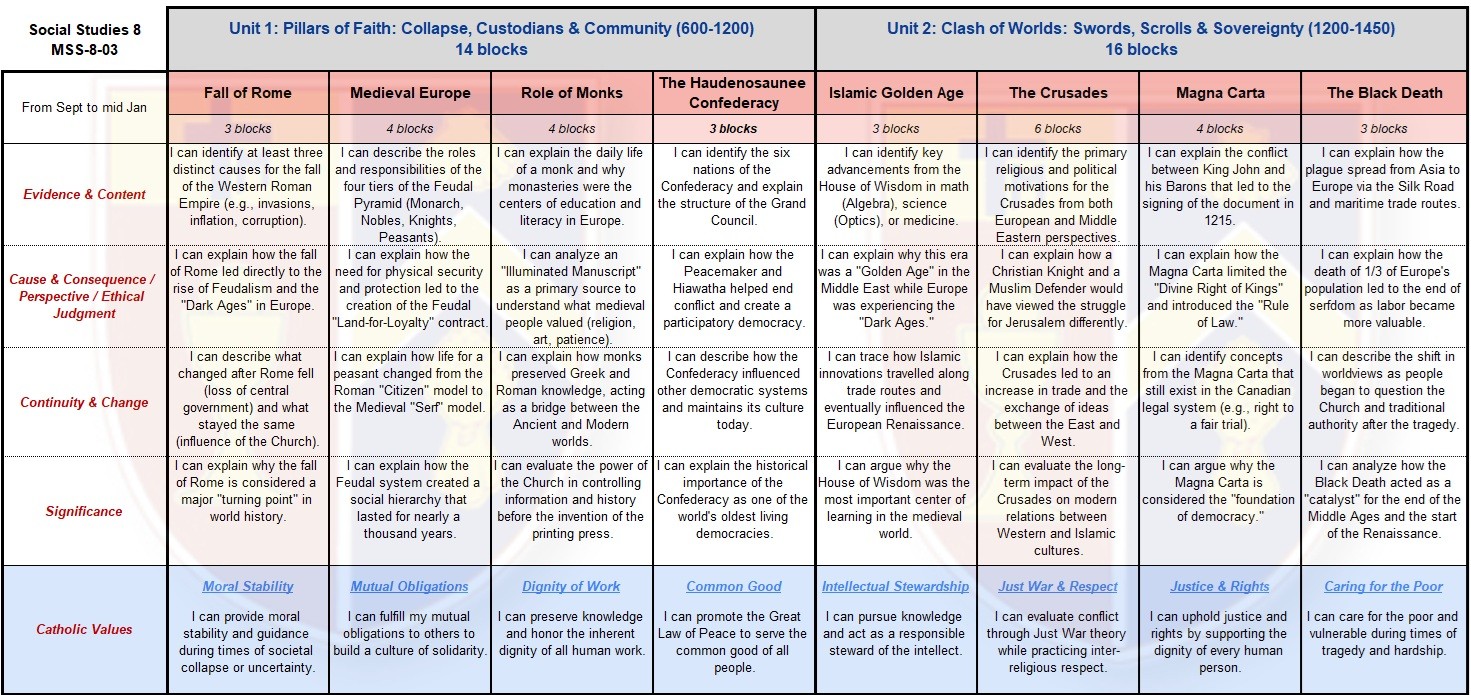
In today’s educational landscape, the integration of new technology is no longer a peripheral luxury; it is a vital necessity to foster critical literacy. Most importantly, it is the fundamental engine for creating modern assessments and effectively collecting and interpreting student results to drive academic success.This framework is built upon the Know-Do-Understand (KDU) model, a structure designed to move students beyond rote memorization. Technology now enables us to measure the "Doing" of history with unprecedented clarity, bridging the gap between content and 21st-century disciplinary skills.
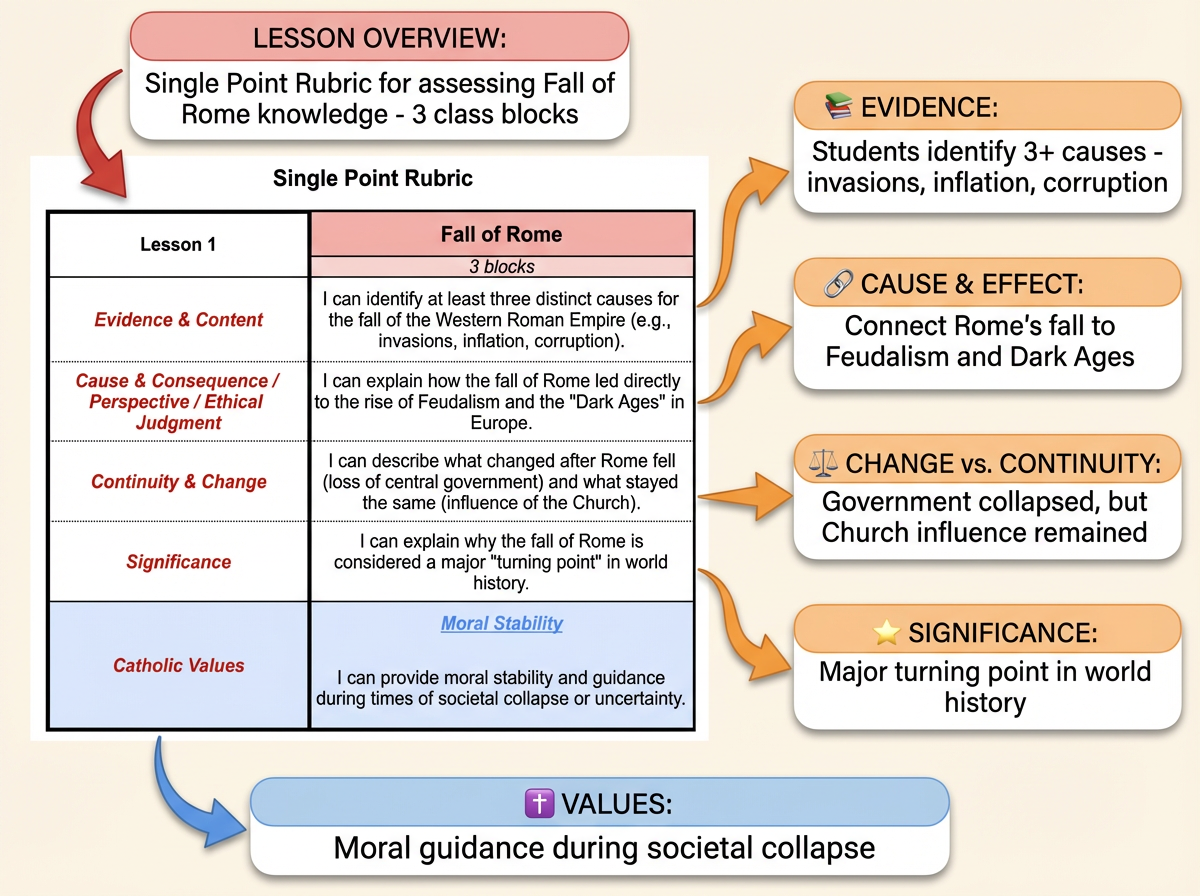
The "Fall of Rome" assessment rubric serves as our primary anchor, demonstrating how technology transforms abstract competencies into measurable success.
Putting It All Together