Commemorating the 10th Anniversary (2015-2025)
WORLD CONGRESS: "Educating Today and Tomorrow: A Renewing Passion"

Congregation for Catholic Education
Rome-Castel Gandolfo, 18-21 November 2015

A Renewed Pedagogical Framework for Catholic Education:
Traditional Methods and Active Learning in Harmony

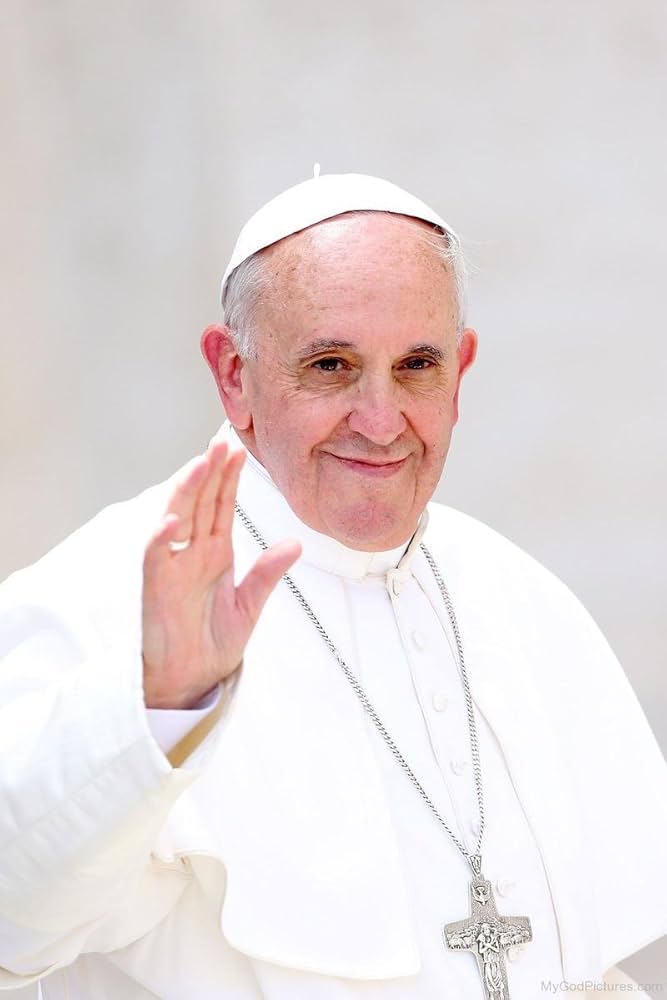
Portrait of Pope Francis
"Education is the most human act there is, for this reason faith cannot fail to show interest in it... It must be open to change and we must know how to change."

Pope Francis. Education Is an Act of Hope for a Better Society. Vatican News. February 8, 2024. Accessed September 18, 2025. https://www.vaticannews.va/en/pope/news/2024-02/pope-education-is-an-act-of-hope-for-a-better-society.html

Welcome to This Journey

Dear Educators, Parents, and All Who Care About Catholic Education,

As we stand at the threshold of a new era, Catholic education faces both profound challenges and extraordinary opportunities. This document invites you on a journey—a pilgrimage, if you will—through the rich landscape of Catholic pedagogy, exploring how our time-honored traditions can be beautifully integrated with innovative approaches to meet the needs of 21st-century learners.

Through the following sections, organized in collapsible accordion format for easy navigation, you'll discover theological foundations, practical strategies, and inspiring visions from the Church's Magisterium and North American Catholic Bishops. Each section builds upon the last, creating a comprehensive framework for educational renewal rooted in Gospel values and responsive to our students' lived realities.

Click on any section below to expand and explore. May this document be a source of inspiration, reflection, and practical guidance as we work together to form the next generation of disciples.

Executive Summary & Key Takeaways

Core Argument

Catholic education stands at a pivotal moment requiring thoughtful integration of our theological heritage with innovative pedagogical approaches. This document presents a framework where traditional wisdom and active learning converge, critically enhanced by technology—not as mere tools but as the fundamental learning environment for 21st-century discipleship.

Theological Foundation

Education rooted in Imago Dei, faith-reason harmony, and integral human development provides the non-negotiable basis for all pedagogical innovation.

Pope Francis's Pathways

Three urgent pathways: Informal education (beyond positivism), Inclusive education (space for all), and Risk-taking education (pedagogy of reasonable risk).

Technology as Environment

Digital tools are not optional but essential for 21st-century formation. Technology enables personalized learning, authentic community, and deeper encounters with truth.

Key Recommendations for Immediate Action

  • Adopt Universal Design for Learning in all assessment
  • Invest in teacher formation for technology integration
  • Create spaces for "reasonable risk" in pedagogy
  • Implement flexible, inclusive assessment strategies
  • Foster authentic educational alliances (family-school-state)
  • Develop digital tools for spiritual formation

This summary provides a high-level overview. For detailed exploration, expand each section below.

Introduction: A Framework for Educational Renewal

Catholic education stands at a pivotal moment. As we commemorate the 10th anniversary of the 2015 World Congress on Catholic Education, we are called to reflect deeply on how we can renew our educational mission for 2026 and beyond. This document presents a comprehensive pedagogical framework that synthesizes the structured wisdom of traditional methods with the dynamic engagement of active learning, critically enhanced by innovative technologies.

Aligned with the BC curriculum's core competencies and the educational mission of the Catholic Church, this approach prepares students to be discerning disciples in an increasingly digital world. The journey through this document moves logically from foundational principles to practical implementation: we begin with theological and philosophical foundations, explore Pope Francis's visionary pathways, examine the imperative for educational change, compare pedagogical approaches, celebrate Catholic schools as pioneers, detail practical assessment strategies, and conclude with our vision for forming saints in the digital age.

Key Insight: We argue that technology is not merely a tool but a fundamental environment for 21st-century learning, enabling personalized formation, authentic community, and deeper encounters with truth—all while remaining firmly rooted in the Person of Jesus Christ.

The Church's Educational Mission

As affirmed by the 2015 World Congress on Catholic Education, celebrating the 50th anniversary of Gravissimum Educationis:
"Catholic centres of education are not only 'dispensers of skills', but, by their very nature, are intrinsically places of encounter, dialogue and mutual growth, within a process of education for life that is open to others in view of the common good."

Congregation for Catholic Education. "World Congress: Educating Today and Tomorrow: A Renewing Passion - Final Communiqué." Rome-Castel Gandolfo, November 18-21, 2015, p. 1.

From the 2015 World Congress

The Congress emphasized that Catholic educational institutions must adopt a proactive attitude rather than a defensive one. We are called to re-affirm the value of the human person and rise above standards that exalt profit, usefulness, efficiency, and individualistic competition without question. Instead, we must champion:

  • Primacy of the human person
  • Value of community
  • Search for the common good
  • Care for the weak and concern for those left behind
  • Cooperation and solidarity
Congregation for Catholic Education, World Congress Final Communiqué, pp. 3-4.
Theological and Philosophical Foundations of Educational Change

Before examining practical pedagogical methods, we must first establish the theological and philosophical foundations that ground Catholic education. These foundations are not abstract principles but living truths that directly shape how we teach, learn, and integrate technology in our schools. Each foundation carries profound implications for our educational practice.

Foundation Pedagogical Implication

Imago Dei
Every person is made in the image and likeness of God (Genesis 1:27), endowed with unique gifts and a vocation. Technology should enhance, not replace, this personal formation. AI tutoring systems can provide personalized learning paths while preserving human dignity and the teacher-student relationship.

Faith and Reason
The Catholic intellectual tradition champions harmony between faith and reason (Papal Encyclical Fides et Ratio). Technology becomes a modern arena for this dialogue. Students use digital research tools to explore scientific discoveries while reflecting on their theological implications.

Community and Encounter
"It is not good for man to be alone" (Genesis 2:18). Education must foster authentic human relationships. Digital platforms, guided by Gospel values, can transcend physical limitations to build authentic community.

Integral Human Development
Catholic education addresses the whole person - body, mind, and spirit (Gravissimum Educationis). Technology integration must consider physical wellness, intellectual growth, emotional maturity, and spiritual formation simultaneously.

Catholic Social Teaching
Principles of human dignity, solidarity, subsidiarity, and care for creation guide Catholic action in the world. Technology becomes a tool for global solidarity, environmental stewardship, and advocacy for justice.

Contemplative Tradition
"Be still and know that I am God" (Psalm 46:10). Catholic spirituality includes contemplative practice. Technology can support, not replace, contemplative practices and deep reflection.
Digital detox times and mindful tech use are essential.
Portrait of Saint John Baptist de La Salle
"Remember that you are in the place of God in their regard...
You must, then, make God known to the children whom you are charged to instruct by your behavior as well as by your words."

John Baptist de La Salle. Meditations for the Time of Retreat. Translated by Richard Arnandez, FSC. Winona, MN: Saint Mary's Press, 1975.

Moving from Foundation to Vision

These theological foundations do not exist in a vacuum—they demand a concrete, lived response in our educational practice. Building upon this understanding of the human person created in God's image, we now turn to Pope Francis's urgent vision for educational renewal, which translates these timeless principles into actionable pathways for our schools today.

Continue to Section 3: Pope Francis's Vision

Pope Francis's Vision: Urgent Pathways for Educational Renewal

Building upon the theological foundations, Pope Francis offers concrete pathways for Catholic education's renewal. His vision addresses both the crisis in contemporary education and the unique opportunities before us. At the 2015 World Congress, the Holy Father spoke with prophetic clarity about what Catholic schools must become.

Education and the Incarnation

At the 2015 World Congress, Pope Francis emphasized the complete value of education: "We cannot speak of Catholic education without speaking about humanity, because in fact Catholic identity is God who became man."

He stressed that education must "introduce young people and children forward in those human values present in all that is real, and one of these realities is transcendence." The greatest crisis in education today, according to the Holy Father, is "this closing off from the transcendent."

Pope Francis, quoted in Congregation for Catholic Education. "World Congress Final Communiqué," p. 8.

The Broken Educational Alliance

Pope Francis identified a critical crisis in contemporary education: the breakdown of the educational alliance between family, school, and state. "The educational alliance between the family and the school – it is broken! We must start over again. The educational alliance, too, between the family and the State – it is broken."

A telling indicator: "Educators are among the worst paid workers – what does this say? It says that the State is simply uninterested. If it were interested, things would not be like this."

Ibid., p. 8.

Three New Pathways for "Emergency Education"

1. Informal Education

"We must focus on 'informal education', because formal education has become impoverished due to the legacy of positivism. It only understands intellectualistic technical skill and the language of the head."


Pope Francis calls for:

  • Integration of art and sport in education
  • Breaking with purely intellectualistic schemes
  • Creating new models and opening to new horizons
  • Harmonizing the three languages: head, heart, and hands
Ibid., p. 9.

2. Inclusive Education

"An education becomes inclusive when all have their place; inclusive also humanly speaking."


Essential elements:

  • A true school must teach concepts, attitudes, and values
  • Creating space for every student regardless of background
  • Addressing the whole person, not just intellect
  • Welcoming diversity as enrichment
Ibid., p. 9.

3. Risk-Taking Education

"An educator who does not know how to risk is useless for education. A dad and a mum who do not know how to risk do not educate well their child."


The pedagogy of reasonable risk:

  • Teaching to walk: one leg firmly planted, the other stepping forward
  • Creating safe spaces for experimentation and failure
  • Balancing security with exploration
  • Encouraging students to step beyond comfort zones

"You are sure about this point, but this one is not definite. You must take another step. Perhaps you will slip, but you get up, and go forward..."

Ibid., p. 9.

From Vision to North American Context

Pope Francis's prophetic vision finds concrete expression in the unique context of North America. How are Catholic bishops and educational leaders translating these universal principles into regional strategies and commitments? The next section explores the specific vision and priorities of North American Catholic leadership as they address both timeless challenges and emerging frontiers.

Continue to Section 4: North American Catholic Leadership

North American Catholic Leadership: Vision and Commitment
UNIFIED VISION:
FAITH-CENTERED EVANGELIZATION | ACADEMIC RIGOR | SOCIAL SOLIDARITY

1. Foundational Mission

The USCCB affirms schools as essential to the Church's evangelizing mission—not merely "dispensers of skills" but communities of faith where humility and virtue are nurtured.

  • Primary Educators: Recognizing parents' sacred responsibility with school support.
  • Academic Rigor: Excellence is a requirement for vocational success and faith formation.
  • Inclusive Identity: Maintaining clear religious identity while welcoming diverse families.
SOURCE: USCCB, Renewing Our Commitment (2005/2025)

2. Regional Application

British Columbia (2025): A shift from "maintenance to mission." Schools are beacons for the evangelization of culture, helping students achieve a "personal synthesis" of faith and life.

Ontario (2026): The "Pilgrims of Hope" Jubilee theme focus: Accompaniment through the "Emmaus Model"—walking with students with respect, patience, and professional excellence.

SOURCE: BC Bishops (2025) / OCSTA (2026)

3. Justice & Reconciliation

Commitment to healing relationships with Indigenous Peoples through truth-telling, cultural humility, and the creation of schools as "places of authentic encounter."

  • Social Teaching: Integrating dignity and solidarity throughout the entire curriculum, not as a separate subject.
  • Material Needs: Addressing food security and student hunger as a requirement of the Gospel.
SOURCE: CCCB, That We May Walk Together & Our Daily Bread

4. Emerging Frontiers

Addressing the rapid rise of Artificial Intelligence and the ongoing need for educational justice through the "Preferential Option for the Poor."

  • Human-Centric AI: Technology must "serve the person"; algorithms cannot replace the "heart speaking to heart" connection.
  • Public Policy: Advocating for parental rights and equitable access to resources for all families.
SOURCE: USCCB, Guidance on AI and Educational Equity (2026)
The Imperative for Change: Technology as Educational Environment

Having established our theological foundations and examined Pope Francis's vision, we now turn to the practical question: Why must Catholic education change? Why is technology integration not optional but essential? The answer lies in understanding technology not merely as a tool, but as the very environment in which 21st-century learning occurs.

Education stands at a crossroads. The world outside the classroom has been radically transformed by technology, revolutionizing how we communicate, work, and access information. Yet, within the walls of many educational institutions, traditional methods often remain the default. Resistance to integrating new technologies is understandable, but it is a barrier we must overcome. The change is not about chasing trends; it is an urgent necessity to prepare students for their future, not our past. This transformation, while challenging, is a profound opportunity to enhance learning, empower educators, and build a more equitable and effective educational system.

Formation of Formators: A Key Priority

The 2015 World Congress identified the formation of teachers as crucial for Catholic education's future. Teachers must possess:

  • Solid professional competence: Mastery of subject matter and pedagogical methods
  • Deep faith commitment: Personal encounter with Christ that they can share
  • Technological fluency: Comfort with digital tools and online environments
  • Cultural sensitivity: Ability to teach diverse student populations
  • Pastoral heart: Genuine love for students and their integral formation

The Congress stressed the urgent need for both initial and ongoing formation of educational leaders, teachers, and educators, emphasizing that formation should be truly shared between consecrated religious and lay people.

Ibid., p. 4.

Preparing Students for a Modern World

Cultivating Future-Ready Skills

The modern economy demands more than rote memorization. It requires critical thinking, creativity, collaboration, and digital literacy. Technology is not just a tool to learn about; it is the medium through which these essential skills are practiced and mastered.

Examples:

  • Using collaborative platforms for team projects
  • Analyzing digital information critically
  • Creating multimedia content
  • Coding and computational thinking

Bridging School and Life

Students live in a connected, interactive world. A classroom that ignores this reality risks becoming irrelevant and disengaging. By integrating technology meaningfully, we create learning experiences that are dynamic, interactive, and resonant with students' lives.

Connection points:

  • Social media literacy and ethics
  • Online research and verification
  • Digital citizenship and responsibility
  • Virtual collaboration across distances

Enabling Personalized Learning

Every student learns differently. Technology allows us to move beyond the "one-size-fits-all" model. Adaptive learning software can tailor lessons to a student's individual pace, providing extra support or advanced challenges as needed.

Personalization strategies:

  • AI-powered tutoring systems
  • Differentiated digital assignments
  • Student-paced learning modules
  • Multi-modal content delivery

Understanding and Overcoming Resistance: A Path Forward

Acknowledging the real concerns of educators is the first step to successful integration. Resistance is rarely simple obstruction; it is a response to genuine hurdles.

Lack of Time and Support

Teachers are already overburdened. Meaningful integration requires time for training, planning, and experimentation.

The solution is systemic: providing educators with dedicated, high-quality, ongoing professional development and accessible technical support, moving beyond one-off workshops to sustained coaching.

Threat to Identity and Authority

For many educators, especially those with a traditional "sage on the stage" style, technology can feel like a threat to their role as the primary knowledge-holder. This requires a thoughtful reframing.

Technology does not make teachers obsolete; it liberates them from being mere information-deliverers to become learning architects, mentors, and guides. Their expertise is more crucial than ever in helping students navigate, critique, and synthesize the vast information available online.

Fear and Pedagogical Skepticism

Fear of failure in front of students and skepticism about the educational value of new tools are valid concerns. We must build a culture of experimentation where "failing forward" is seen as part of the learning process—for teachers and students alike.

Furthermore, every tool must be evaluated through a clear pedagogical lens: How does this enhance critical thinking? How does it deepen understanding? The focus must always be on learning outcomes, not the technology itself.

Common Concerns and Responses:

"Technology is just a distraction."

Response: When thoughtfully integrated, technology enhances focus and engagement. Digital tools can provide immediate feedback, gamified learning, and interactive simulations that capture student attention far better than passive lectures.

"The old methods worked fine."

Response: Traditional methods have value, but the world our students will enter is fundamentally different from the past. We honor tradition best by adapting its wisdom to new contexts, not by preserving methods unchanged.

"Technology is too expensive."

Response: The cost of NOT integrating technology—in terms of student preparedness, engagement, and outcomes—far exceeds the investment required. Moreover, many effective educational technologies are free or low-cost.

"Teachers aren't trained for this."

Response: This is precisely why professional development must be a priority. With proper support, training, and collaborative learning communities, teachers can become confident technology integrators.

"Technology undermines Catholic identity."

Response: Technology is morally neutral—it amplifies human intentions. Used with Gospel values, technology can deepen prayer life, expand missionary outreach, and foster authentic community rooted in Christ.

A Call to Action: Evolution, Not Revolution

Changing education is not about discarding everything that works. It is about thoughtfully evolving our practices.

It is about leveraging the power of technology to achieve timeless educational goals: to ignite curiosity, foster understanding, and empower the next generation.

Critical Insight: The greatest risk we face is not that technology will change education too much, but that we will resist change for too long. By embracing this shift with empathy, support, and a clear vision, we can transform our classrooms into vibrant hubs of innovation and relevance. We owe it to our students to provide an education that equips them not just to survive in the 21st century, but to thrive and lead.

From Why to How: Practical Synthesis

Having established why change is imperative and why technology must be embraced as our educational environment, we now face the practical question: How do we actually do this? The following section presents a concrete pedagogical synthesis that harmonizes traditional methods with active learning approaches, all enhanced by thoughtful technology integration.

Continue to Section 6: Pedagogical Synthesis

Pedagogical Synthesis: Integrating Traditional, Active, and Technology-Enhanced Learning

Catholic education has long valued time-tested pedagogical methods that emphasize structure, discipline, and the transmission of knowledge. At the same time, contemporary educational research highlights the power of active learning approaches that engage students as co-creators of knowledge. Rather than viewing these as opposing forces, we propose a both/and approach that synthesizes the best of both worlds.

Understanding the Two Approaches

Aspect Traditional Pedagogy Active Pedagogy Catholic Integration & Tech-Enhanced
Teacher Role Authoritative transmitter of knowledge; the sage on the stage Facilitator and guide; the guide on the side Both teacher and accompanier; wisdom-keeper who walks alongside students
Student Role Receptive learner; absorbs and reproduces information Active participant; constructs own understanding through inquiry Disciple-learner; receives truth humbly while actively engaging with it
Primary Method Lecture, direct instruction Projects, inquiry Flipped Classroom, VR/AR experiences, AI tutoring, gamification for virtue mastery, contemplative technology use.
Assessment Standardized tests (pen-and-paper) Performance tasks, portfolios, and authentic demonstrations Digital Portfolios, AI-driven analytics, reflective blogging. Multiple measures honoring diverse gifts while maintaining standards.
Classroom Structure Orderly rows; clear hierarchy; predictable routines Flexible seating; collaborative groups; dynamic flow Structured freedom; order serving communion and creativity
Technology Use Minimal; preserves direct human interaction Integral; enables personalization and collaboration Intentional; serves human flourishing and Gospel mission
Spiritual Formation Separate religion classes Integrated values education Faith integrated across all subjects, digital prayer tools, virtual retreats, online spiritual direction.

The Catholic Synthesis: Both/And Thinking

Catholic education need not choose between these approaches. Instead, drawing on our rich intellectual tradition of holding seemingly opposite truths in tension, we embrace a synthesis:

Structured Wisdom Transmission

From Traditional Methods: We retain the conviction that there is objective truth worth preserving and transmitting. The wisdom of Scripture, Tradition, and the intellectual heritage of Catholic thought must be passed on faithfully.

Enhanced by Active Learning: We engage students not as passive recipients but as active seekers who encounter this truth through dialogue, questioning, and personal appropriation.

Disciplined Exploration

From Traditional Methods: We value discipline, order, and the formation of good habits. Structure provides the secure foundation from which students can explore.

Enhanced by Active Learning: Within this structure, we create space for student-led inquiry, creative problem-solving, and intellectual risk-taking.

Contemplative Action

From Traditional Methods: We honor the contemplative dimension—silence, reflection, and receptivity to truth.

Enhanced by Active Learning: Contemplation leads to action; students apply what they've learned through service, advocacy, and creative projects.

Universal Supports in Catholic High School Assessment

Theory must become practice. As Catholic schools pioneer educational excellence, we need concrete strategies to ensure every student can access, engage with, and demonstrate their learning. This section presents practical universal supports that embody our theological principles and enable the pedagogical synthesis we envision.

Universal supports are proactive, inclusive strategies embedded into instruction and assessment to ensure that all students—regardless of ability, background, or learning profile—can access, engage with, and demonstrate their learning. In Catholic education, these supports are rooted in the belief that every student is a unique child of God, deserving of dignity, compassion, and opportunity.

Foundational Principles

Imago Dei

Every learner is made in the image and likeness of God, with inherent worth and potential.

Equity over Equality

Supports are not about giving everyone the same thing, but about giving each student what they need to succeed.

Universal Design for Learning (UDL)

Instruction and assessment are designed from the outset to be flexible, engaging, and accessible to all.

Faith-Integrated Pedagogy

Supports reflect Gospel values—compassion, justice, stewardship, and community.

Categories of Universal Supports

1. Assessment Flexibility

  • Multiple means of expression: Students can demonstrate understanding through essays, oral presentations, skits, podcasts, videos, or visual art.
    Example: A student may choose to create a storyboard instead of writing a traditional essay on a Gospel passage.
  • Student choice: Offering options within assessments (e.g., "Choose 2 of 3 questions") empowers students and reduces anxiety.
  • Project-based learning: Long-term, interdisciplinary projects allow students to integrate faith, creativity, and academic skills.

2. Assistive Technology and Tools

  • Text-to-speech and speech-to-text: Supports students with reading or writing challenges.
  • Digital organizers and graphic tools: Help students plan and structure responses.
  • Translation and language support: Beneficial for English Language Learners and French Immersion students.
  • Interactive platforms: Tools that allow for drag-and-drop, matching, or visual sorting can reduce cognitive load.

3. Environmental and Procedural Supports

  • Flexible timing: Extended time or untimed assessments reduce pressure. Breaks during assessments help students self-regulate.
  • Quiet or alternate settings: Students may complete assessments in a resource room or chapel for reduced distractions.
  • Simplified layouts: Clean, uncluttered formats with clear instructions support focus and comprehension.

4. Embedded Scaffolds

  • Built-in hints or cues: Prompts that guide students toward correct reasoning without giving away answers.
  • Tiered question difficulty: Starting with simpler questions builds confidence before progressing to more complex tasks.
  • Pre-teaching vocabulary or concepts: Especially helpful in theology, science, or history assessments.

5. Spiritual and Emotional Supports

  • Prayer and reflection: Begin assessments with a short prayer or moment of silence to center students.
  • Faith-based encouragement: Remind students that effort, growth, and integrity matter more than perfection.
  • Pastoral presence: Chaplains or spiritual leaders may offer support during high-stress periods like exams.

Implementation in Catholic School Contexts

Learning Support Teachers (LSTs)

Collaborate with classroom teachers to embed supports into lesson and assessment design.

School Support Teams

Include administrators, counselors, and specialists who help monitor and refine universal strategies.

Class Profiles and ISPs

Even students without formal designations benefit from supports guided by class-wide learning profiles (Individual Support Plan)

Professional Development

Ongoing training in Universal Design for Learning (UDL), trauma-informed practice, and inclusive theology strengthens staff capacity.

Monitoring, Feedback, and Growth

  • Real-time feedback tools: Allow teachers to adjust instruction and provide immediate support.
  • Auto-grading and analytics: Help identify patterns of success or struggle across student groups.
  • Student self-assessment: Encourages metacognition and ownership of learning.
  • Rubrics with faith-based criteria: Include dimensions like stewardship, collaboration, and ethical reasoning.

Why Universal Supports Matter in Catholic Education

  • Affirms dignity: Every student is seen as capable, beloved, and worthy of success.
  • Fosters belonging: Inclusive practices build a sense of community and shared mission.
  • Models Gospel values: Compassion, justice, and service are lived out through pedagogy.
  • Prepares students for vocation: Supports help students discover and develop their God-given gifts.
Why Catholic Schools Lead: Pioneers in Educational Excellence

Having compared different pedagogical approaches, we can now appreciate why Catholic schools are uniquely positioned to lead educational innovation. Our tradition, community, and global network provide distinct advantages that enable us to pioneer the integration of traditional wisdom, active learning, and transformative technology.

The Catholic Church has long emphasized that education must address the whole person - intellectual, spiritual, emotional, and social. In today's rapidly evolving world, this mission calls for a pedagogy that is both timeless in its truths and innovative in its methods.

Proactive, Not Defensive

The 2015 World Congress emphasized that Catholic schools should not adopt a merely reactive or defensive posture vis-à-vis secularized society. Instead, we are called to assume a proactive attitude aimed at:

  • Re-affirming the value of the human person
  • Rising above profit and usefulness as the measure of all choices
  • Challenging efficiency and individualistic competition
  • Promoting cooperation, solidarity, and care for the weak
Congregation for Catholic Education. "World Congress Final Communiqué," p. 3-4.

Why Catholic Schools Lead Innovation

Holistic Formation Tradition

Catholic schools have always integrated intellectual, spiritual, and moral development - a natural fit for comprehensive 21st-century education.

  • Mind, body, and spirit integration
  • Character formation alongside academics
  • Service learning as core curriculum
  • Critical thinking with moral reasoning

Community-Centered Approach

Technology serves relationship-building and authentic community rather than isolation.

  • Family engagement platforms
  • Collaborative learning environments
  • Global Catholic school partnerships
  • Intergenerational learning programs

Clear Ethical Framework

Catholic moral teaching provides clear guidelines for ethical technology use and digital citizenship.

  • Human dignity in digital spaces
  • Truth and honesty in information sharing
  • Justice in digital equity and access
  • Temperance in technology consumption

Universal Network

Connection to worldwide Catholic educational community enables unprecedented collaboration.

  • International school exchanges
  • Shared curriculum development
  • Global service learning projects
  • Cultural and linguistic diversity

Innovation Heritage

History of educational pioneers like St. John Baptist de La Salle, St. Marcellin Champagnat, and St. Angela Merici.

  • Adaptive pedagogical methods
  • Personalized learning approaches
  • Teacher training innovations
  • Educational accessibility

Integration of Faith and Reason

Natural ability to bridge scientific advancement with spiritual wisdom.

  • STEM education with ethical reflection
  • Artificial intelligence and human dignity
  • Environmental stewardship through technology
  • Medical ethics and biotechnology
Conclusion: Forming Saints for a Digital Age

We have journeyed from theological foundations through Pope Francis's vision, examined the imperative for change, compared pedagogical approaches, celebrated Catholic schools as pioneers, and detailed practical implementation strategies. Now we conclude by returning to our ultimate purpose: forming saints for the 21st century.

The future of Catholic education in British Columbia lies not in choosing between tradition and innovation, but in synthesizing them with courage and discernment. By embracing a pedagogy that is authentically Catholic, aligned with the BC curriculum, and empowered by appropriate technology (see our Grade 8 Social Studies Assessment Framework for a practical example), we do not compromise our identity; we fulfill it more completely.

Our Mission: To form saints for the 21st century - young people who are intellectually competent, spiritually alive, morally mature, and technologically wise. They must be capable of leading with faith in the digital agora of 2026 and beyond.

The Spiritual Foundation of Our Mission

The 2015 World Congress centered its work on four biblical icons that guide Catholic education:

  • Jesus the Teacher - responding to people's desire for a sure guide
  • The Parable of the Sower - offering quality education to all, without regard for the terrain
  • Jesus as Way, Truth, and Life - presenting our identity clearly while remaining open to encounter
  • " Go into all the world" - speaking a word that creates fraternity, peace, and unity
Congregation for Catholic Education. "World Congress Final Communiqué," p. 5.

Key Documents and Resources

Vatican Documents:

  • Gravissimum Educationis (Declaration on Christian Education, 1965)
  • The Catholic School (Congregation for Catholic Education, 1977)
  • Educating Today and Tomorrow: A Renewing Passion (World Congress Final Communiqué, 2015)
  • Christus Vivit (Pope Francis's Apostolic Exhortation to Young People, 2019)

North American Documents:

  • USCCB, Renewing Our Commitment to Catholic Elementary and Secondary Schools in the Third Millennium (2005)
  • USCCB, Sharing Catholic Social Teaching: Challenges and Directions (1998)
  • CCCB, Called to Witness and Proclaim: Evangelization and Catechesis in the Family (2023)
  • OCSTA, Catholic Education Week Resources and Themes

Professional Organizations:

  • National Catholic Educational Association (NCEA): www.ncea.org
  • Ontario Catholic School Trustees' Association (OCSTA): www.ocsta.on.ca
  • Canadian Catholic School Trustees' Association (CCSTA): ccsta.ca