How bold navigators, driven by faith, fortune, and curiosity, sailed beyond the known world — and forever changed the course of history.
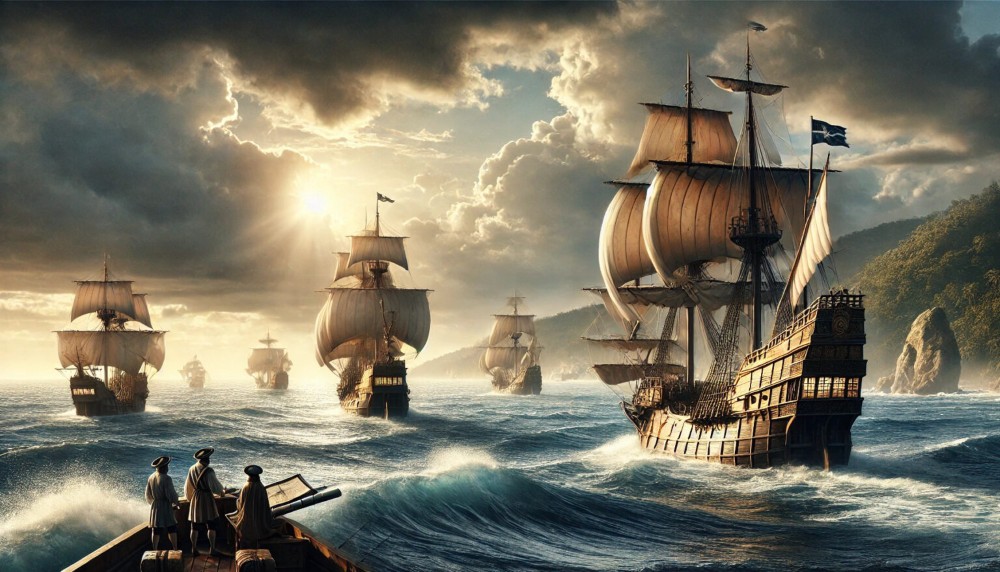
The Age of Exploration (roughly 1400–1600 AD) was one of the most dramatic and consequential periods in world history. European nations — especially Portugal, Spain, England, and France — launched fleets of ships into uncharted oceans, seeking new trade routes, wealth, and territory.
Explorers crossed the Atlantic, Pacific, and Indian Oceans with limited navigation tools, wooden ships, and enormous courage. They encountered civilizations that Europeans had never imagined, established colonies, and set in motion a global exchange of people, goods, ideas, plants, animals, and diseases that shaped the modern world.
The movement was deeply intertwined with the Catholic Church. European monarchs sought to spread Christianity, and missionaries sailed alongside conquistadors and traders. The period raises complex moral questions about power, faith, and justice — questions we still grapple with today.
Before the 1400s, most Europeans believed that sailing too far south along Africa's coast would bring them to boiling seas. Portuguese explorers proved this wrong by carefully mapping the African coastline over decades.
No single reason explains the Age of Exploration. It was a combination of powerful forces — economic, religious, political, and technological — that pushed European nations outward into the unknown.
The Silk Road connecting Europe to Asia had become expensive and dangerous, controlled by Ottoman middlemen. European nations desperately wanted direct sea routes to the spice-rich lands of Asia — spices like pepper, cinnamon, and cloves were worth more than gold in European markets. Finding these routes meant enormous profits for monarchs and merchants.
The Catholic Church and European monarchs genuinely believed it was their divine duty to bring Christianity to peoples around the world. The Reconquista — the reconquest of Spain from Muslim rule — had just ended in 1492, giving Spain a sense of religious mission. Missionaries like the Jesuits saw exploration as a chance to save souls.
European kings and queens competed fiercely for power. Discovering new territories meant claiming land, resources, and subjects. Fame and national pride were powerful motivators — a successful explorer could receive titles, land grants, and become a national hero. Nations raced to plant their flags on new shores before their rivals did.
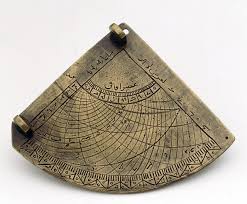
Advances in navigation and shipbuilding made long ocean voyages possible for the first time. The magnetic compass (from China), the astrolabe for measuring star positions, improved cartography (mapmaking), and the fast, agile caravel ship all gave European sailors the tools they needed to venture beyond the sight of land for months at a time.
The Renaissance encouraged curiosity, scientific inquiry, and the idea that humans could master nature through reason. Ancient Greek texts, rediscovered and studied, sparked interest in geography and the shape of the Earth. Educated Europeans began to question old assumptions and seek direct knowledge through observation and experience.
When the Ottoman Empire conquered Constantinople in 1453, it tightened control over the overland trade routes between Europe and Asia. European merchants faced high tariffs and unreliable access to Eastern goods. Finding an ocean route that bypassed Ottoman territory entirely became a matter of economic survival for European trading nations.
Each explorer was driven by a unique mix of ambition, faith, and national loyalty. Their voyages reshaped maps — and history.
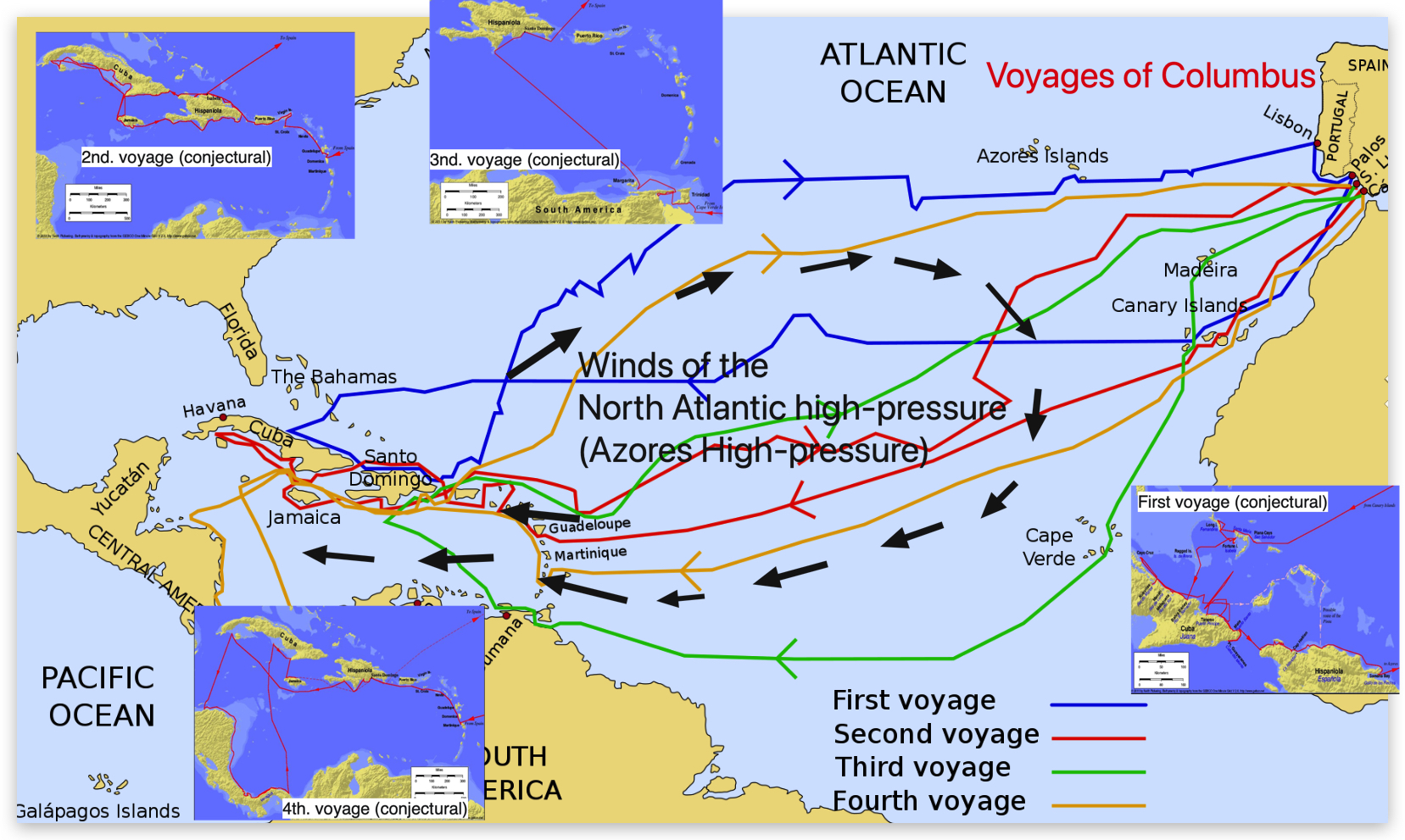
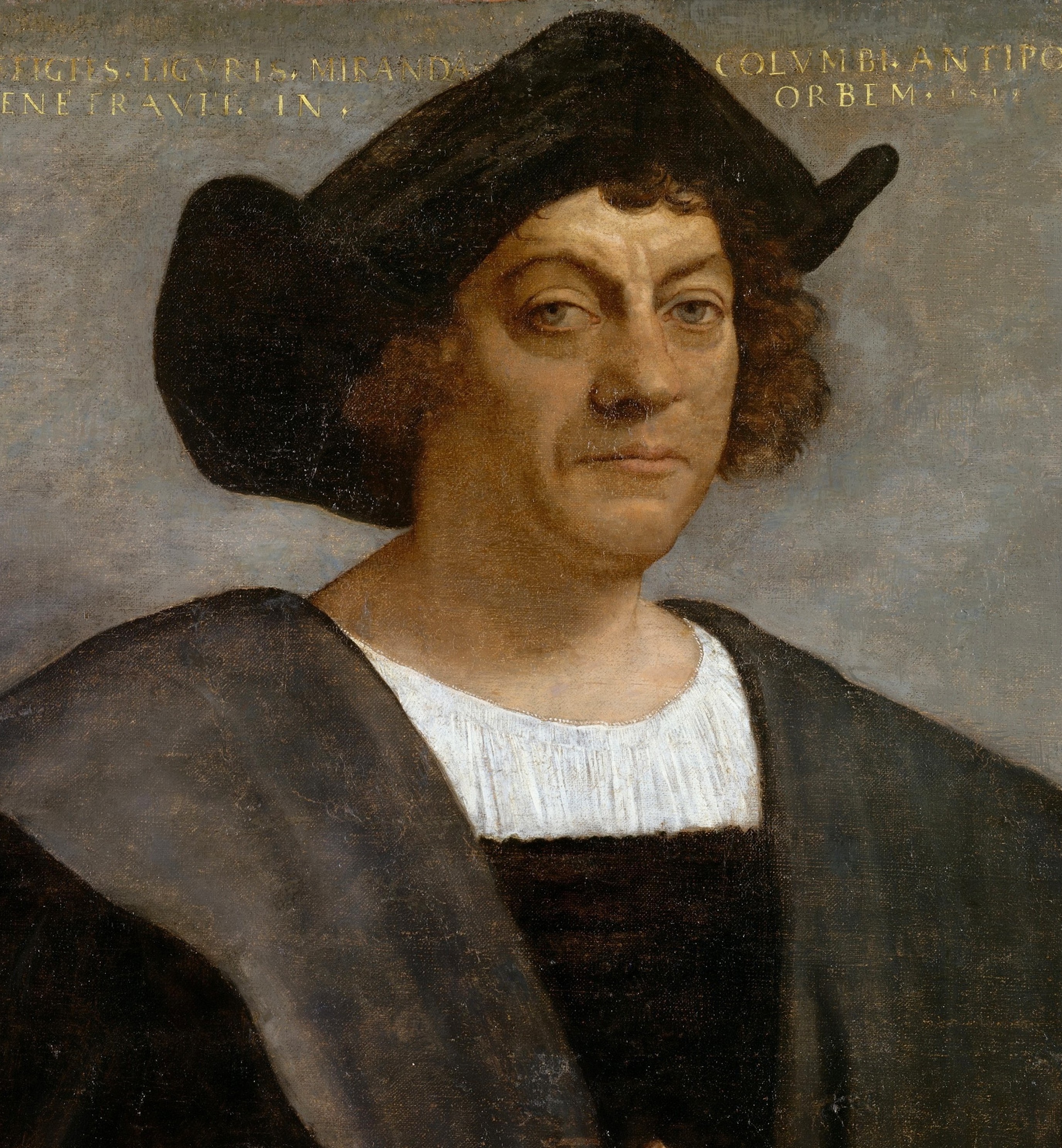
🇪🇸1492–1504Columbus believed he could reach Asia by sailing west across the Atlantic. In 1492, funded by Queen Isabella and King Ferdinand of Spain, he landed in the Bahamas — unknowingly reaching the Americas. He made four voyages in total, establishing the first permanent contact between Europe and the Americas. A devout Catholic, he named many islands after saints. His voyages triggered the entire era of colonization.
AtlanticAmericas4 Voyages
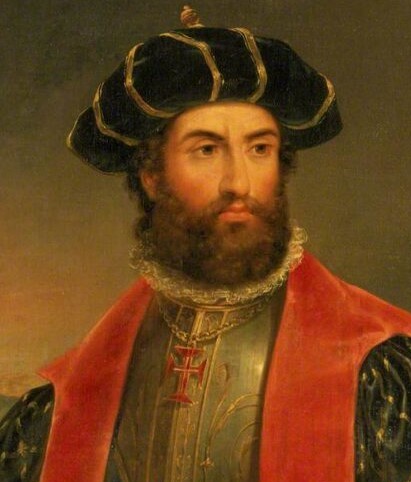
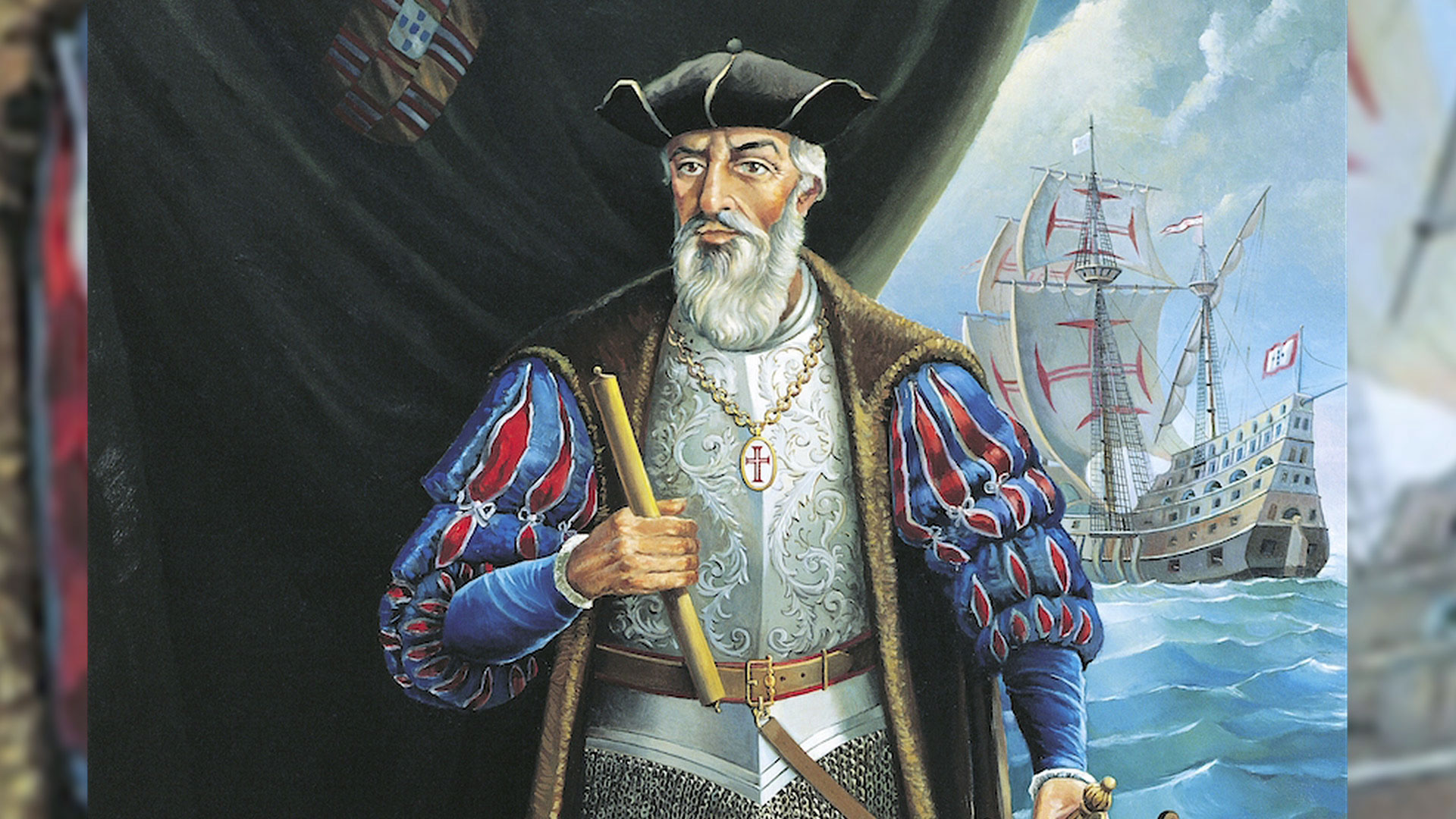
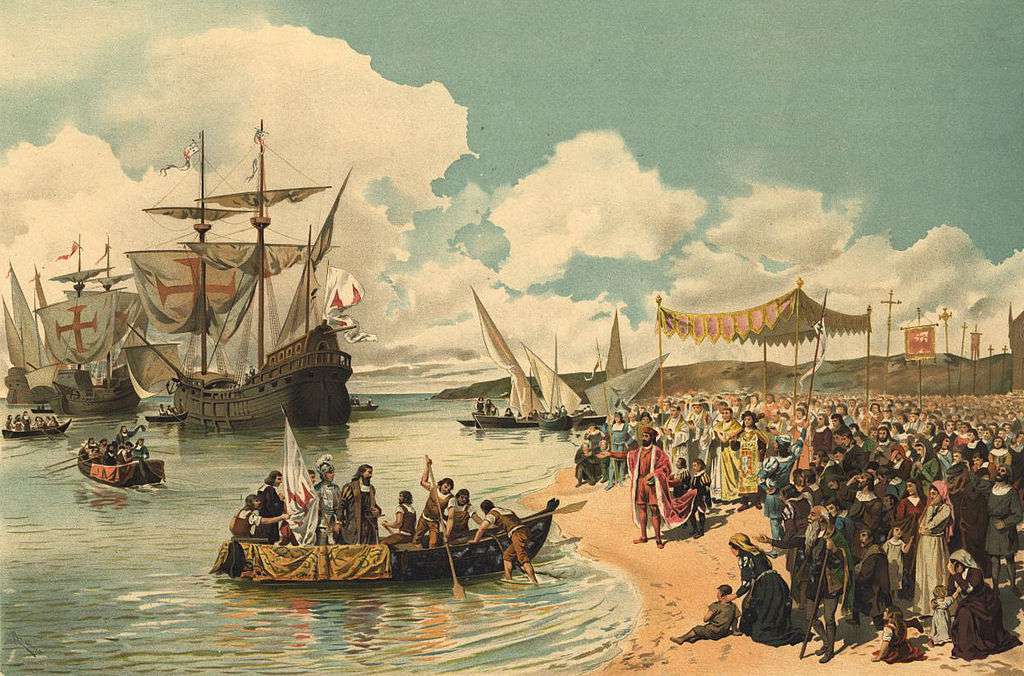
🇵🇹1497–1524Da Gama achieved the first sea voyage from Europe to India in 1498, sailing around the southern tip of Africa (the Cape of Good Hope). This opened a direct ocean trade route to Asia, bypassing the Ottoman-controlled overland routes. His voyages made Portugal incredibly wealthy and established a Portuguese trading empire stretching from Africa to India to Southeast Asia. He was deeply religious and carried priests on his ships.
AfricaIndia RouteTrade Empire
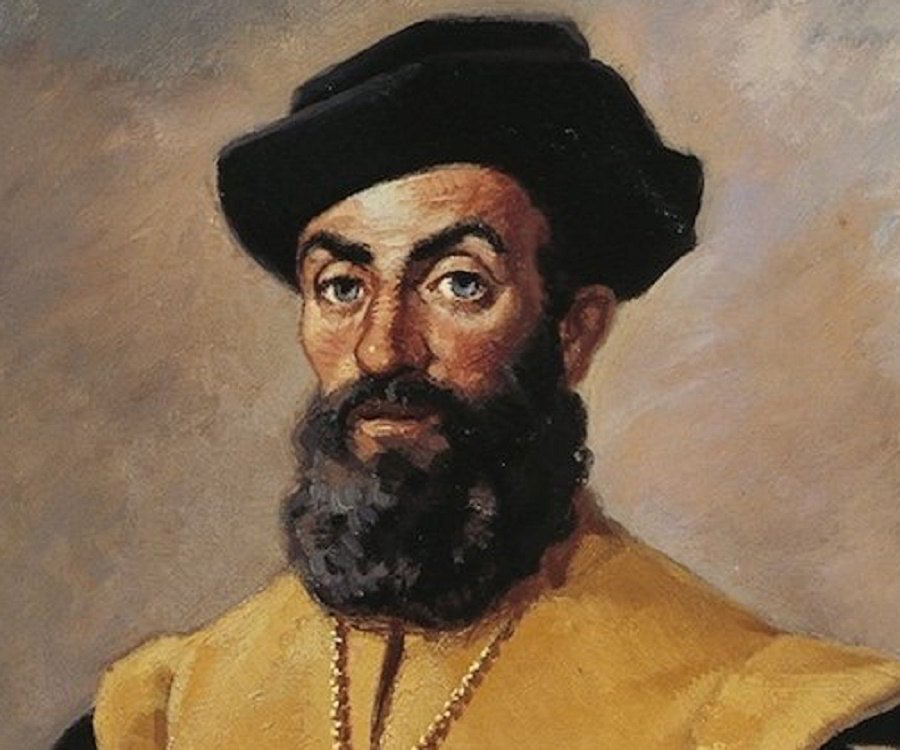
🇵🇹1519–1522Magellan led the first expedition to circumnavigate (sail all the way around) the Earth. Though he was killed in the Philippines in 1521, his crew — led by Juan Sebastián Elcano — completed the journey. His expedition proved beyond doubt that the Earth is round and revealed the true size of the Pacific Ocean, which was far larger than anyone had imagined. It was one of the greatest feats of navigation in history.
First CircumnavigationPacific
🇬🇧1497–1498Sailing on behalf of King Henry VII of England in 1497, Cabot reached the coast of North America — likely Newfoundland or Cape Breton Island in what is now Canada. He was the first European since the Vikings to reach the North American mainland. His voyage gave England its first claim to North America, laying the foundation for British territories that would eventually expand westward across the continent — including British Columbia. Later Pacific explorers like Captain Cook (1778) and George Vancouver (1792) would chart BC’s coast under the same English crown Cabot served.
North AmericaEngland's ClaimFoundation for BC
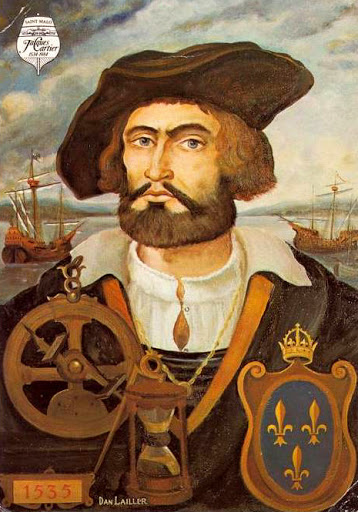
🇫🇷1534–1542Cartier made three voyages to North America, exploring the Gulf of St. Lawrence and sailing far up the St. Lawrence River. He named the region "Canada" (from the Iroquoian word "kanata" meaning village or settlement) and claimed it for France. He met the Haudenosaunee (Iroquois) people and, on his second voyage, famously kidnapped their chief Donnacona. His explorations laid the foundation for New France, the French colonial empire in North America.
CanadaNew FranceSt. Lawrence
🇵🇹1487–1488Dias was the first European to sail around the southern tip of Africa, which he named the "Cape of Storms" — later renamed the Cape of Good Hope by King John II of Portugal. His voyage proved that the Indian Ocean was reachable from the Atlantic, paving the way for Vasco da Gama's later journey to India. Dias navigated through violent storms and a mutinous crew, demonstrating extraordinary courage and seamanship.
AfricaCape of Good HopeUnder Prince Henry the Navigator, Portugal begins systematically exploring the Atlantic coast of Africa and discovers Madeira and the Azores. Henry establishes a school of navigation, gathering the best cartographers, astronomers, and sailors in Europe to advance Portuguese exploration.
The Ottoman Turks conquer Constantinople, closing key overland trade routes to Asia. This economic shock dramatically increases European urgency to find alternative sea routes to the spice markets of India and Southeast Asia.
Bartolomeu Dias becomes the first European to sail around the southern tip of Africa, proving that a sea route to the Indian Ocean exists. This milestone discovery opens the door for direct trade with Asia.
Christopher Columbus, sailing for Spain, crosses the Atlantic and lands in the Bahamas on October 12 — a date long celebrated as Columbus Day. He believes he has reached Asia, unaware that he has encountered two previously unknown continents. Spain and Portugal sign the Treaty of Tordesillas (1494) dividing the world between them.
Two landmark voyages occur in the same year: John Cabot reaches North America for England, and Vasco da Gama departs Portugal on a voyage that will establish the first direct sea route between Europe and India, arriving in 1498. These voyages transform global trade and politics.
Ferdinand Magellan's fleet departs Spain with 5 ships and ~270 men. Though Magellan dies in the Philippines, Juan Sebastián Elcano completes the journey, returning with just 1 ship and 18 survivors — but with the first circumnavigation of the Earth accomplished. The voyage proves the Earth is round and vastly larger than believed.
Jacques Cartier sails into the Gulf of St. Lawrence and plants a cross, claiming the land for France. He makes two more voyages, exploring the St. Lawrence River and establishing France's claim to what will become New France — the foundation of French-speaking Canada.
Spain, Portugal, England, France, and the Netherlands establish permanent colonies in the Americas, Africa, and Asia. The Columbian Exchange — the massive transfer of plants, animals, diseases, and people between the Old and New Worlds — transforms global agriculture, populations, and economies forever.
Exploration was only possible because of breakthroughs in shipbuilding and navigation technology. Without these innovations, sailors could never have ventured far from the coast.

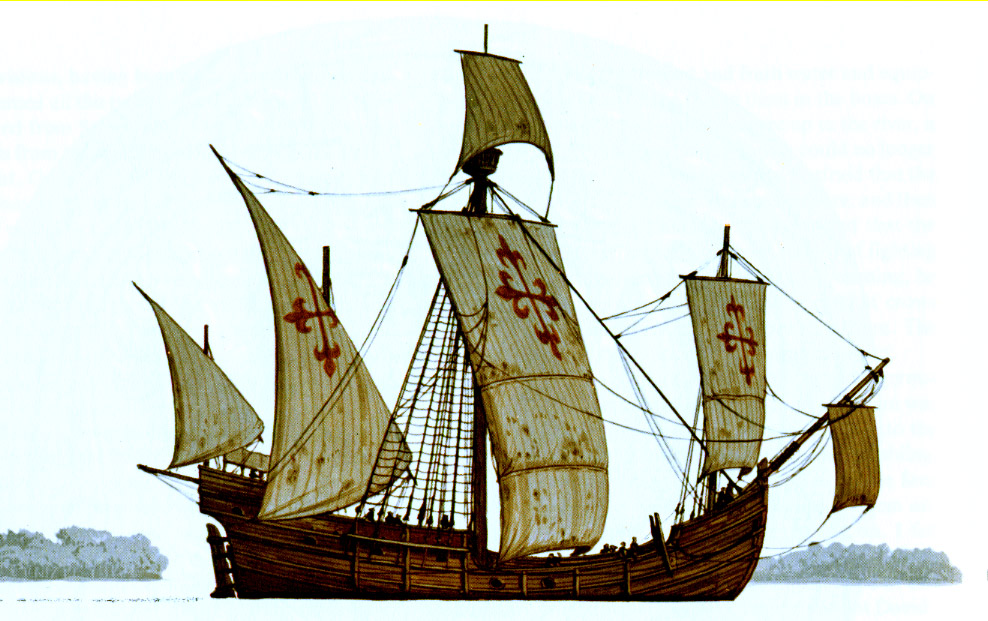
The caravel was a revolutionary Portuguese ship design — small, fast, and highly maneuverable with triangular lateen sails that allowed it to sail into the wind. Its shallow draft let it explore rivers and coastal waters. Columbus's Niña and Pinta were caravels. It was the spacecraft of its age.

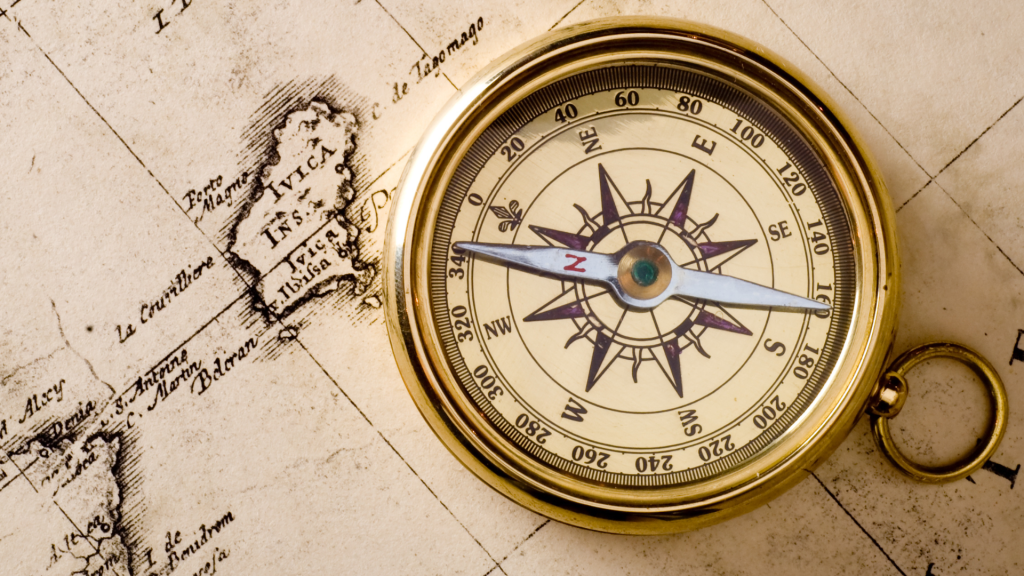
Originally invented in China, the magnetic compass allowed sailors to determine direction even when clouds blocked the sun and stars. This was essential for ocean navigation, where landmarks are nonexistent. European navigators refined the instrument and combined it with detailed sea charts.

These instruments allowed navigators to measure the angle of the sun or stars above the horizon, letting them calculate their latitude. Combined with celestial tables, a skilled navigator could determine their position at sea with reasonable accuracy.

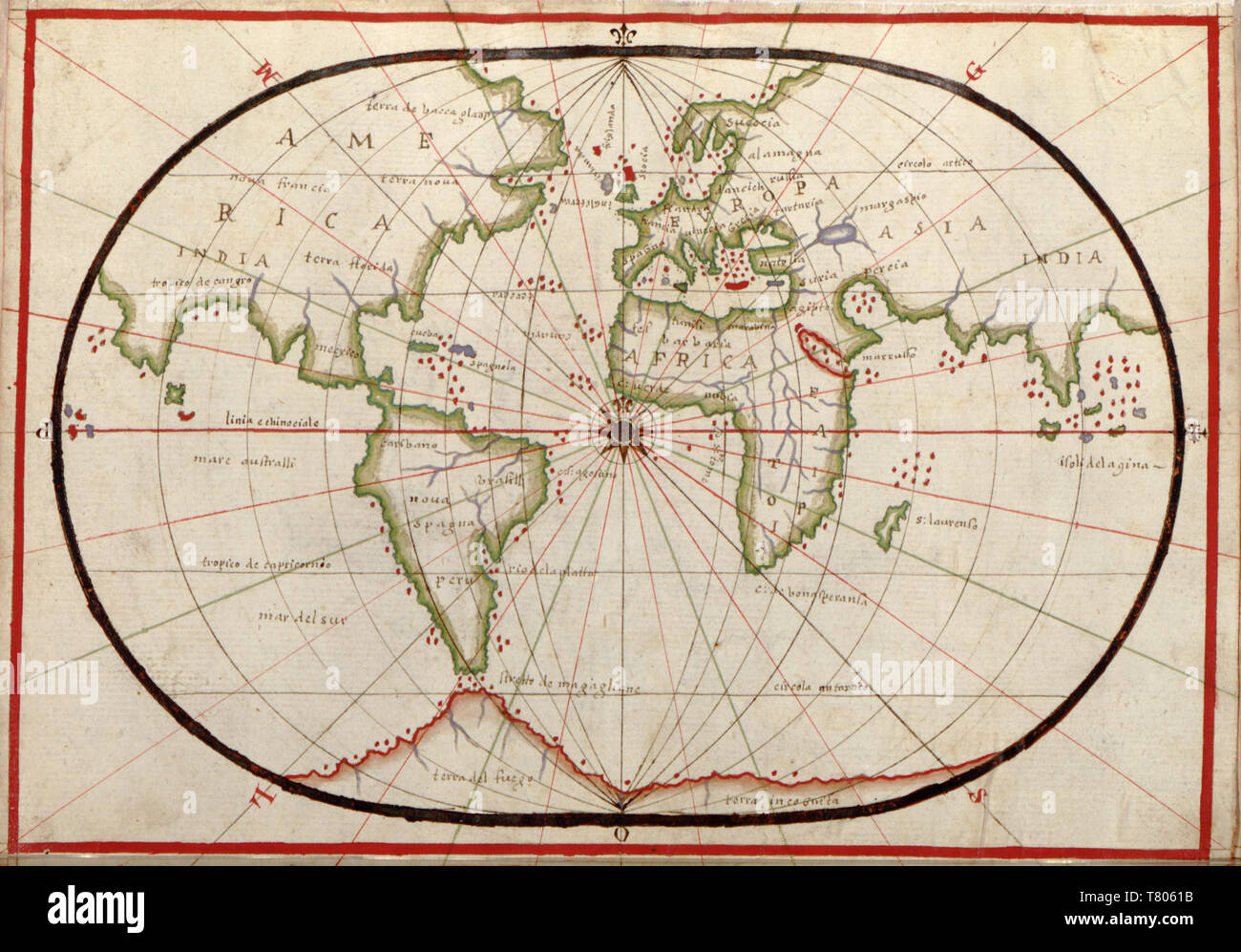
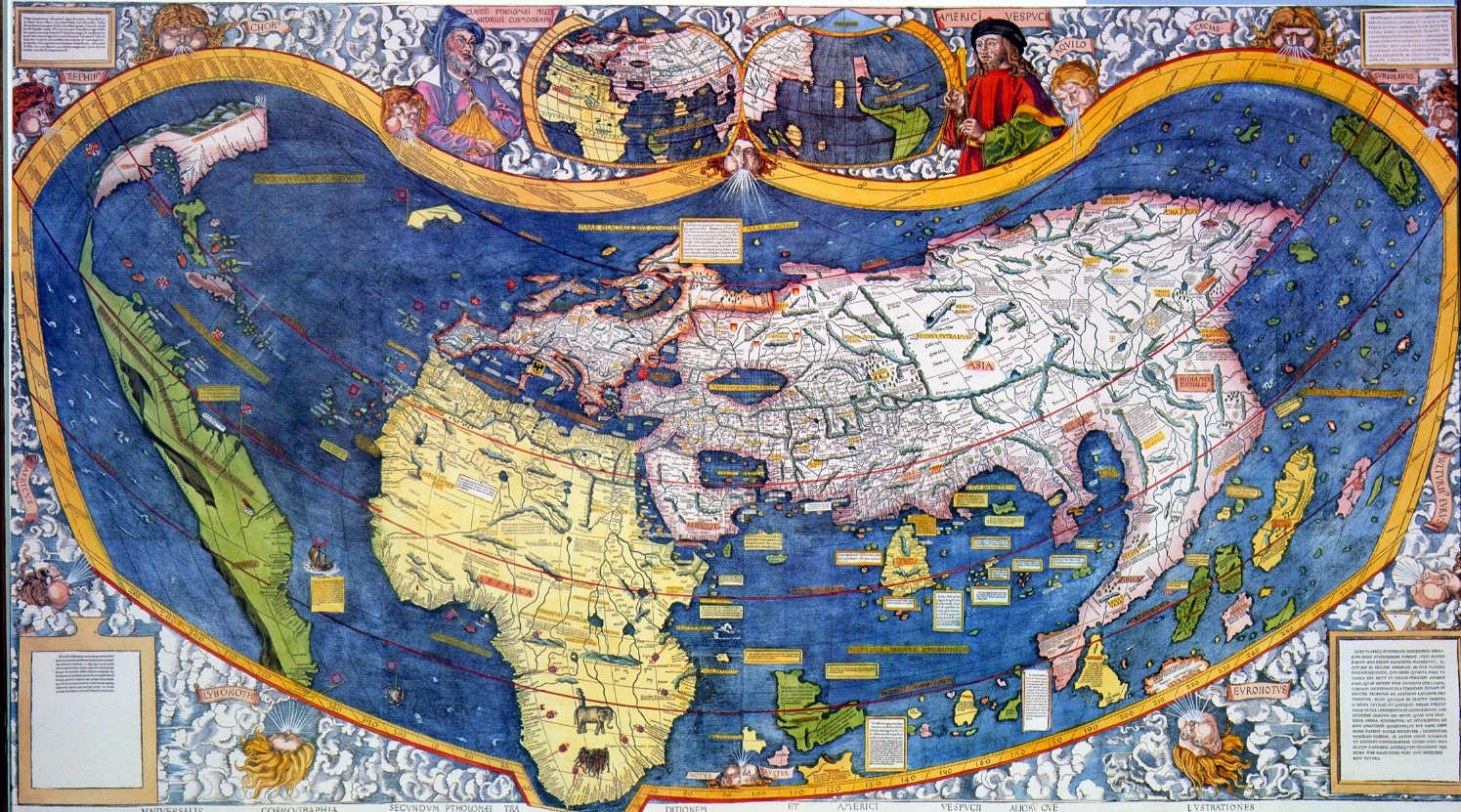
Each new voyage produced better maps. Portolan charts became increasingly accurate. By the late 1400s, European cartographers combined rediscovered Greek geographic texts with new observational data from explorers.

Portuguese sailors discovered and mapped the Atlantic trade wind systems — predictable patterns of ocean winds that could carry ships reliably across the ocean. Understanding these winds was one of Portugal's most closely guarded secrets.

.jpg)
The Age of Exploration had profound consequences — some that transformed the world positively, and others that caused immense suffering. As students of history, we must examine both honestly.
The Columbian Exchange brought new crops to the Old World — potatoes, tomatoes, corn, and chocolate — that transformed European diets and supported population growth. New geographic knowledge expanded human understanding of Earth's true size and shape. Trade networks connected continents for the first time, laying the foundation for the global economy.
European scientific knowledge advanced rapidly as explorers brought back plants, animals, and descriptions of new environments. The printing press spread this knowledge widely, fueling the Scientific Revolution. New languages, cuisines, and cultural ideas mixed in ways that enriched human civilization in the long run.
For Indigenous peoples of the Americas, Africa, and Asia, European exploration brought catastrophe. Diseases like smallpox — to which Indigenous peoples had no immunity — wiped out up to 90% of some populations. Some historians estimate that 50 million people died in the Americas in the century after Columbus.
Conquest brought forced labour, enslavement, cultural destruction, and the suppression of Indigenous languages and religions. The transatlantic slave trade, which grew directly from colonialism, forcibly transported approximately 12.5 million Africans to the Americas over 400 years — one of history's greatest crimes. In Canada and BC, the legacy of colonialism continues to shape Indigenous communities today.
To fully grasp the Age of Exploration, we must examine its global advancements, its devastating human costs, and the different religious approaches of Catholics and Protestants — each shaping the New World in distinct ways.
The Catholic Church and Christian faith were deeply woven into the fabric of European exploration. Understanding this connection is essential for seeing the era in its full complexity.
In 1494, Pope Alexander VI mediated the Treaty of Tordesillas, dividing the newly discovered lands of the world between Spain and Portugal along a line in the Atlantic. This extraordinary act showed how central the Pope's authority was to the political world of the time. The Church was not merely spiritual — it was a global political power.
The concept of evangelization — bringing the Christian Gospel to all peoples — was a central motivation for exploration. Spanish and Portuguese monarchs genuinely believed that reaching non-Christian peoples was a spiritual obligation. The Catholic monarchs Isabella and Ferdinand funded Columbus partly out of this missionary zeal.
Religious orders like the Jesuits (Society of Jesus, founded 1540) and Franciscans sailed with explorers and established missions around the world — from Brazil to Japan to California. In Canada, Jesuit missionaries like Jean de Brébeuf worked among Indigenous peoples and are now recognized as Canadian saints in the Catholic Church.
Not all Catholics supported the treatment of Indigenous peoples. Dominican friar Bartolomé de las Casas became a fierce defender of Indigenous rights, arguing that the conquest violated natural law and Christian ethics. He debated Sepúlveda at Valladolid (1550–51) in one of history's first formal debates about human rights. The Church's record on this period is mixed — both complicit and resistant to abuse.
Explorers routinely named their discoveries after saints, the Virgin Mary, or Catholic feasts. Columbus named islands San Salvador ("Holy Saviour"), Trinidad, and many others. Cartier planted crosses to claim land for France and Christ. These acts were sincere expressions of faith, not merely symbolic — explorers truly saw themselves as instruments of God's plan.
As Catholic students, we are called to look honestly at this history. The Church today acknowledges the wrongs of colonialism, including forced conversions and cultural destruction. Pope Francis has repeatedly apologized for the Church's role in abuses against Indigenous peoples. Examining this history is an act of truth-seeking — a value at the heart of Catholic education.
Beyond the errors of colonialism, the Catholic Church also brought healing, learning, and courageous voices for justice. Today, the Church continues to reckon with its past while walking a path of reconciliation and truth.
From the earliest colonial days, Catholic religious orders established some of the first hospitals in the Americas. The Hospitals of the Holy Spirit in Mexico City (1524) and the Hospital de San Nicolás de Bari in Santo Domingo (1503) were founded by the Church to serve both Spanish settlers and Indigenous peoples. Franciscans and Dominicans trained Indigenous nurses and introduced European medical knowledge, while also learning from native healing traditions. The Church’s commitment to the sick became a hallmark of its mission, rooted in Christ’s command to heal the ill.
To evangelize and educate, the Church founded some of the first institutions of higher learning in the New World. The Royal and Pontifical University of Mexico (1551) and the National University of San Marcos in Lima (1551) were established by royal and papal decree, decades before Harvard (1636). Mission schools taught reading, writing, music, and trades to Indigenous children, often against the wishes of colonists who opposed native education. Although methods were imperfect (and sometimes coercive), the Church's investment in literacy and learning laid the groundwork for education systems across Latin America and beyond.
Long before modern human rights, courageous Catholics raised their voices against the abuses of conquest:
These voices remind us that the Church was never monolithic: saints and sinners, oppressors and defenders, coexisted within the same tradition.
In recent decades, the Catholic Church has undertaken a profound examination of its role during the Age of Exploration and colonialism. The current position is one of acknowledgment, apology, and active reconciliation:
From a Catholic educational perspective: The Church today teaches that colonialism was a grave sin against human dignity. We are called not to erase history but to confront it with honesty, to honour Indigenous resilience, and to work toward restorative justice.
Think deeply about what you've learned. These questions connect exploration to our Catholic values of justice, truth, and human dignity. Each question targets specific Historical Thinking Competencies from the BC Curriculum.
How do these two sources complement each other? (Refer to the painting analysis and the historical documents above.)
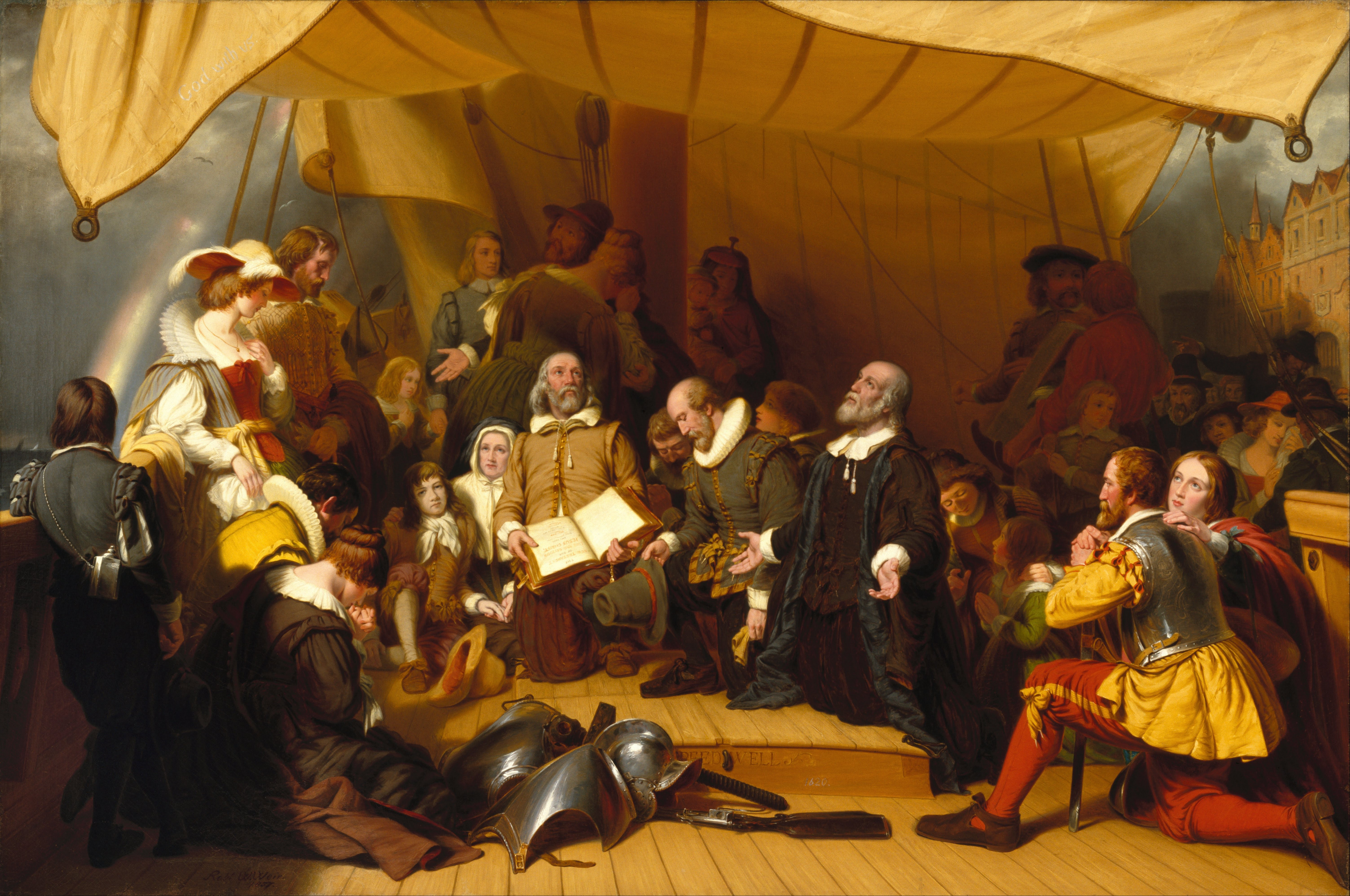
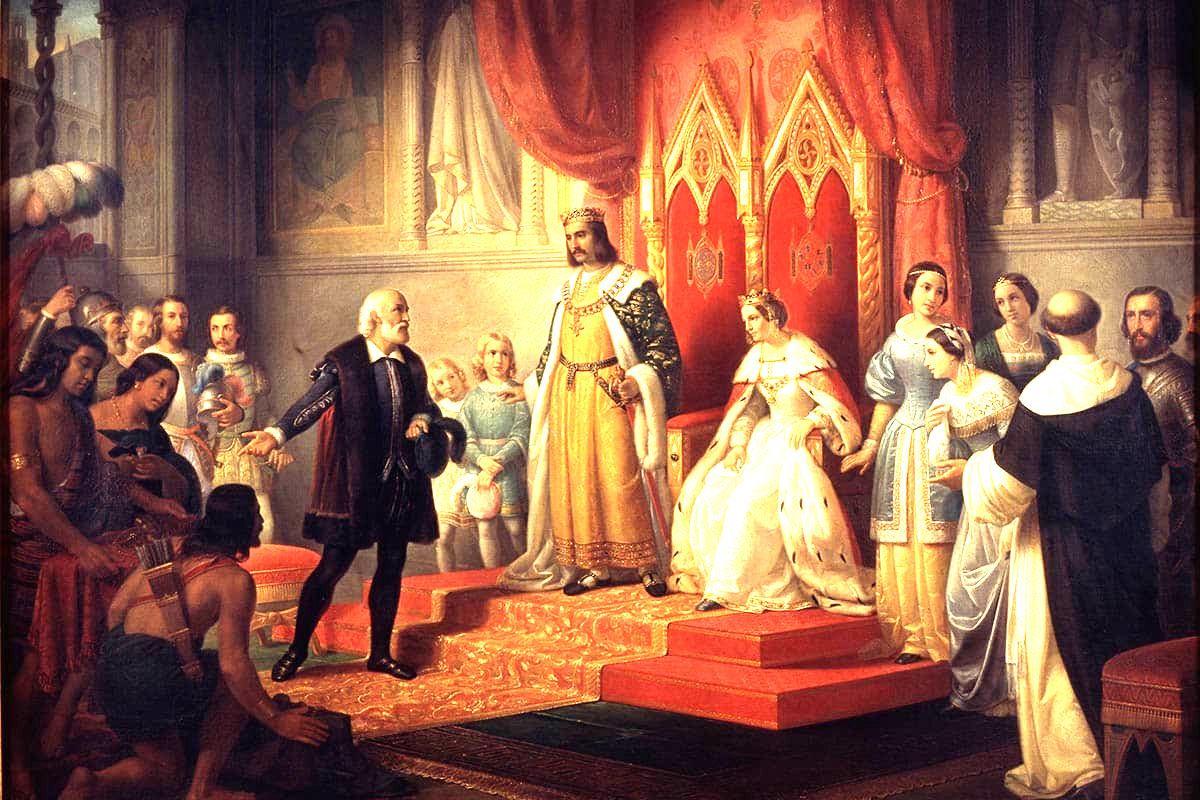
How did 19th‑century paintings shape the way Americans understood European exploration? In this activity, you will examine two works of art, compare their messages, and reflect on the intersection of faith, power, and colonial storytelling. Competencies: Evidence & Interpretation, Take Perspective, Ethical Judgment.
Depicts Columbus's arrival in the Americas, emphasizing religious symbolism and European civilization.
Shows the Pilgrims preparing to depart for the New World, highlighting religious devotion and determination.
Look carefully at each painting and list what you observe. Focus on visual elements like people, objects, colors, composition, and atmosphere.
Historical Narrative Construction: Both paintings reflect 19th‑century American attempts to create heroic origin stories that justified territorial expansion and cultural dominance through religious narratives.
Faith and Power Intersection: The artworks demonstrate how religious conviction was intertwined with imperial ambition, presenting colonization as divinely ordained rather than politically motivated.
Contemporary theology reveals profound problems with the painting's narrative:
Vanderlyn's Landing of Columbus powerfully embodies the Catholic/Christian values of its time – Evangelization, Providence, and Christendom – presenting them as noble and triumphant. However, viewed through modern Christian ethics, the painting reveals a dangerous conflation of faith and imperial power that led to profound injustice. Its enduring value lies in challenging us to critically examine the relationship between religious conviction, historical action, and moral responsibility, urging a commitment to a faith that truly embodies human dignity, justice, and peace.
The science and art of making maps. During the Age of Exploration, cartography advanced rapidly as new coastlines and continents were discovered and charted.
Sailing all the way around the Earth or another large geographic body. Magellan's expedition achieved the first circumnavigation of the globe (1519–1522).
The practice of one country establishing political and economic control over another territory and its people, often by force, and settling its own citizens there.
The widespread transfer of plants, animals, diseases, people, and ideas between the Americas and the Old World (Europe, Africa, Asia) following Columbus's voyages.
Spanish word for "conqueror." Spanish soldiers and explorers who conquered large parts of the Americas in the 16th century, such as Hernán Cortés and Francisco Pizarro.
The mission of spreading the Christian Gospel to people who have not heard it. A key motivation for many Catholic explorers and missionaries during this period.
The grid system used to locate any point on Earth. Latitude measures distance north or south of the equator; longitude measures east or west of the prime meridian.
The economic theory that national wealth is built by exporting more than importing, acquiring colonies, and controlling trade. It drove much of the competition between European empires.
A person sent by a religious organization to promote their faith among a non-Christian population. Jesuits, Franciscans, and Dominicans were active missionaries during this era.
The centuries-long effort by Christian kingdoms to reconquer the Iberian Peninsula (Spain and Portugal) from Muslim rule, completed in 1492 — the same year Columbus sailed.
A small, fast, and highly maneuverable sailing ship developed by the Portuguese in the 15th century. It was the most important vessel of the Age of Exploration.
A 1494 agreement, mediated by Pope Alexander VI, that divided the newly discovered world between Spain and Portugal along a line drawn in the Atlantic Ocean.
Latin for “Image of God.” The Catholic teaching that every human being is created in God’s image and therefore possesses inherent dignity and rights.
A 15th‑century legal concept, supported by Papal Bulls, that gave Christian European nations the right to claim lands inhabited by non‑Christians. The Church formally repudiated this doctrine in 2023.
A Spanish colonial labor system that granted colonists the right to demand tribute and forced labor from Indigenous people. Catholic reformers like Bartolomé de las Casas fought against it.
A Spanish legal document read aloud to Indigenous peoples before an attack, demanding they submit to the Crown and the Church or face conquest.
The process by which the Catholic Gospel is expressed in the language and customs of a local culture, without losing its essential truth.
A gathering of bishops, clergy, and laity to discuss Church teaching and practice. The Synod on Amazonia (2019) addressed Indigenous rights and environmental protection.
A sacrament and a process of restoring right relationship with God and neighbor. In the context of colonialism, reconciliation refers to the Church’s ongoing efforts to acknowledge past wrongs and seek healing.