⚔️ THE CRUSADES 🏰
📖 What Were the Crusades?
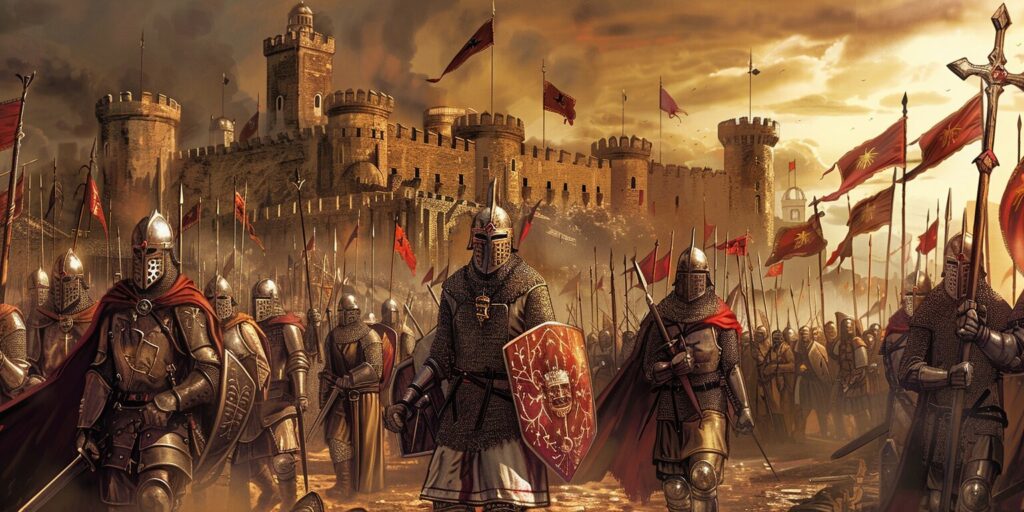
The Crusades were a series of religious wars between Christians and Muslims that lasted for over 200 years during the Middle Ages. These epic battles shaped the world we live in today!
Starting in 1095, European Christians launched military campaigns to take control of the Holy Land (modern-day Israel and Palestine), particularly the city of Jerusalem, which was sacred to Christians, Muslims, and Jews.
✝️ Catholic Context: Understanding the Medieval Worldview
In the medieval period, the Catholic Church played a central role in European life. People's faith was deeply intertwined with their daily existence, and the idea of protecting Christian pilgrims and holy sites was seen as a sacred duty. The Holy Land, where Jesus Christ lived, died, and rose from the dead, held profound spiritual significance for Christians.
The concept of pilgrimage—traveling to sacred sites as an act of devotion—was an important practice in Catholic spirituality. When access to Jerusalem became difficult or dangerous, many Christians felt compelled to act.
"Blessed are the peacemakers, for they will be called children of God." - Matthew 5:9
🤔 Reflection: Faith and Violence
As we study the Crusades, we must wrestle with a difficult question: How could people who followed Jesus Christ, the Prince of Peace, engage in warfare? This historical complexity invites us to reflect on how faith can be both a force for good and, when misunderstood or misused, a source of conflict.
The Church today teaches that violence in the name of religion contradicts the Gospel message of love, mercy, and reconciliation.
🔑 Key Terms to Know:
Crusader Holy Land Jerusalem Jihad Pilgrimage Siege Knight Saladin Just War Theory Peace of God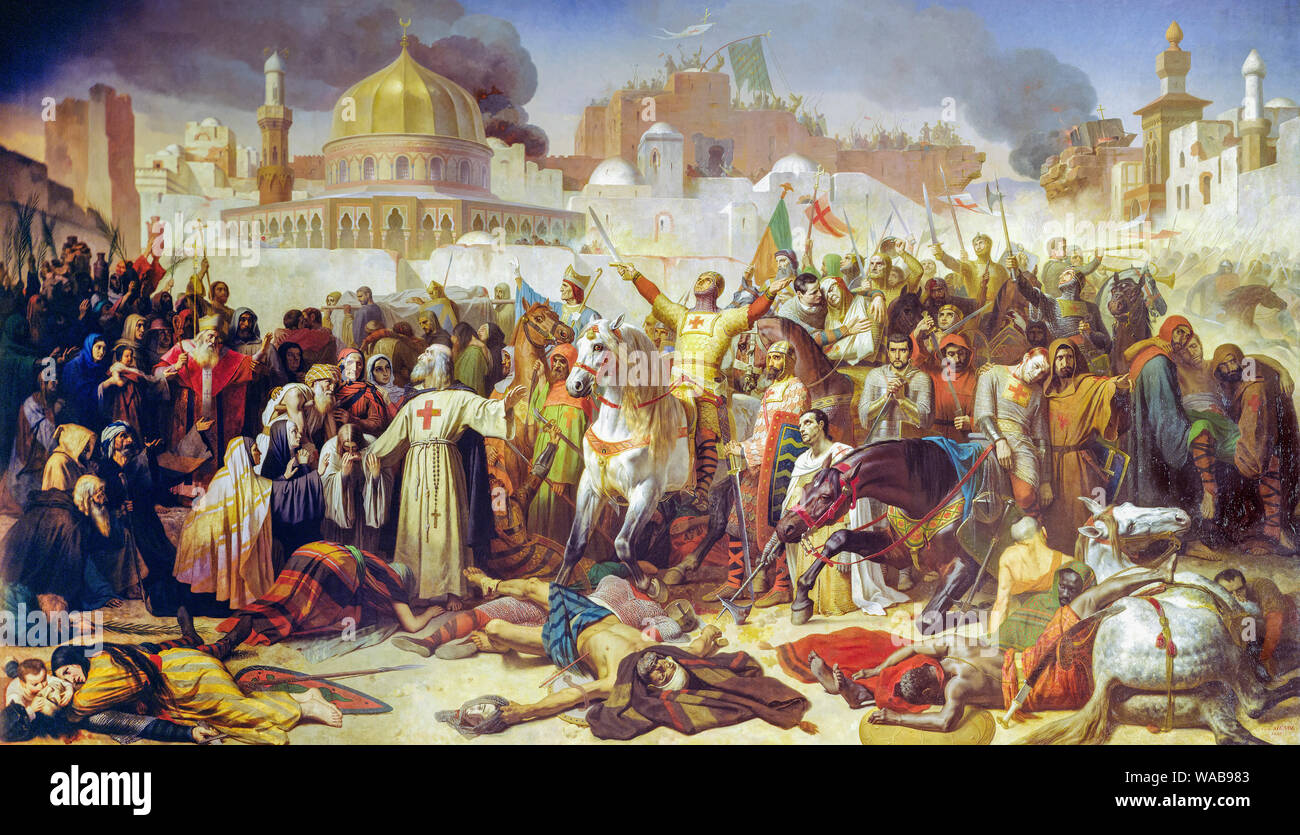
🎯 The Beginning of the Crusades
In 1095, Pope Urban II called for a holy war to help the Byzantine Empire and recapture Jerusalem from Muslim control. Thousands of knights and soldiers answered the call, embarking on a dangerous journey to the Middle East.
✝️ Pope Urban II's Call
At the Council of Clermont in 1095, Pope Urban II delivered a passionate speech urging Christians to take up arms. His motivations included:
- Responding to the Byzantine Emperor's plea for help against Turkish invasions
- Protecting Christian pilgrims traveling to Jerusalem
- Reuniting Eastern and Western Christianity (which had split in 1054)
- Channeling the violence of European knights toward what he believed was a just cause
Those who took the crusader vow were promised spiritual indulgences—the remission of temporal punishment for sins—reflecting medieval understanding of penance and salvation.
🤔 Understanding Medieval Spirituality
The crusaders saw themselves as pilgrims in arms, wearing crosses on their clothing as a sign of their religious commitment. Many genuinely believed they were serving God, even as they engaged in warfare.
It's important to understand that medieval Christianity had different understandings of warfare and violence than the Catholic Church teaches today. The Church has developed its teachings on peace, human dignity, and interfaith relations significantly since that time.
Pope Urban II calls for the First Crusade at the Council of Clermont
Thousands of Crusaders begin their journey to the Holy Land
Crusaders capture Jerusalem after a bloody siege
🏆 Success!
The First Crusade was surprisingly successful. The Crusaders captured Jerusalem and established four Crusader states in the region.
🏰 Crusader States
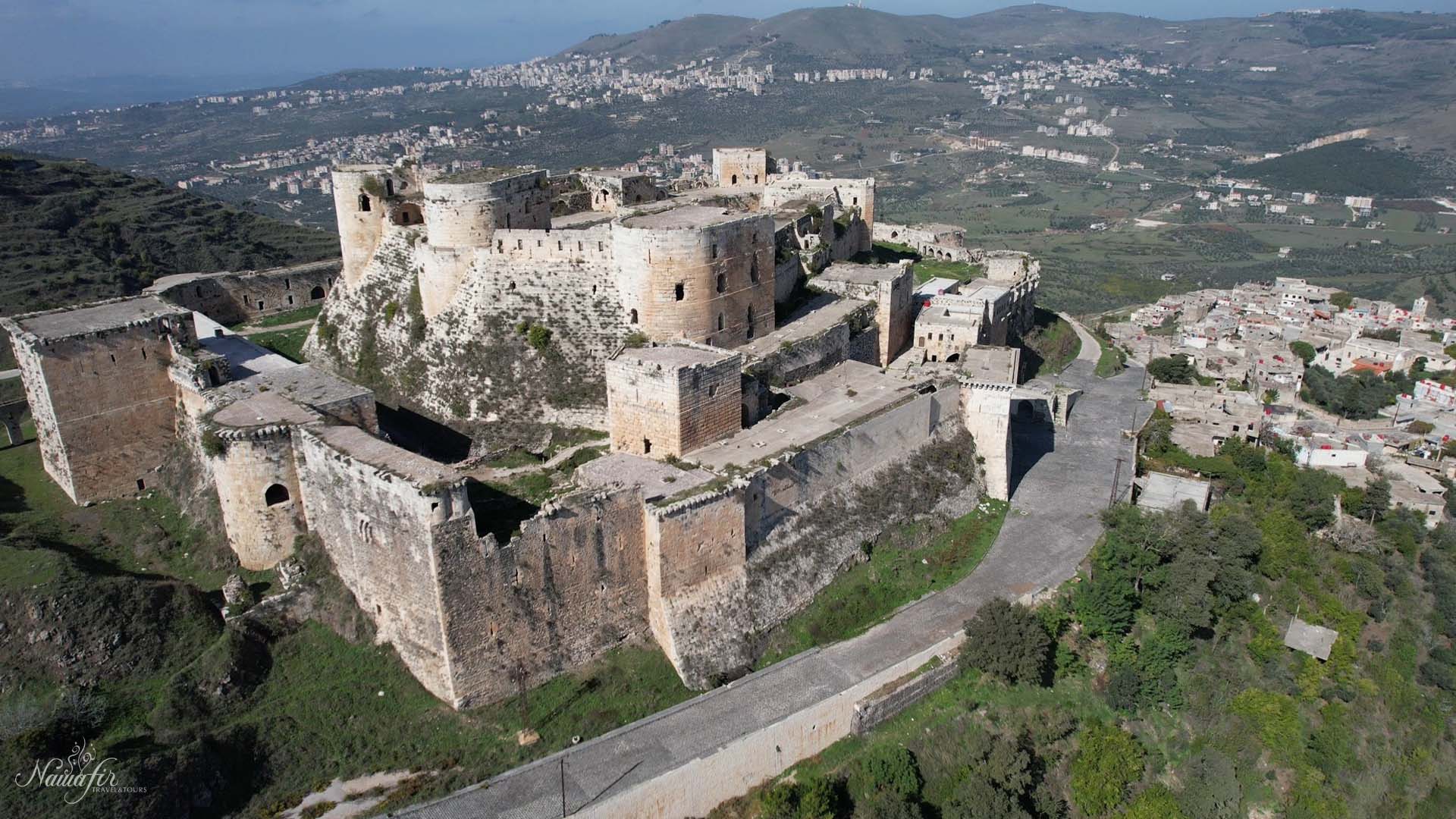
Four kingdoms were created: Jerusalem, Edessa, Antioch, and Tripoli. They were protected by massive castles.
⚠️ The Tragedy of Violence
When Jerusalem fell in 1099, the Crusaders committed terrible atrocities, killing many Muslim and Jewish inhabitants. These actions violated Christian teachings about the sanctity of human life and mercy toward enemies.
As Catholics today, we must acknowledge this dark chapter honestly. Violence against innocent people is always wrong, regardless of religious justification. Every human being is created in the image and likeness of God and deserves dignity and respect.
✝️ Just War Theory
Even in the Middle Ages, the Church had developed Just War Theory, based on the teachings of St. Augustine and St. Thomas Aquinas. This theory established strict conditions for when warfare might be morally permissible:
- Just cause (defense against aggression)
- Right intention (seeking peace, not vengeance)
- Proper authority (legitimate government)
- Proportionality (not causing more harm than good)
- Last resort (all peaceful means exhausted)
- Reasonable chance of success
- Protection of non-combatants
Many actions during the Crusades violated these principles, particularly the protection of innocent civilians.
💡 Did You Know?
Many Crusaders returned home quickly after achieving their goal, leaving only small forces to defend the newly conquered territories!
👑 Kings Join the Fight
When the city of Edessa fell to Muslim forces in 1144, Europe was shocked! This led to the Second Crusade, which was led by two powerful kings.
👑 King Louis VII
King of France who led French forces to the Holy Land. A devout Catholic, he saw the Crusade as a religious duty and act of penance.
👑 King Conrad III
King of Germany whose army was destroyed at Dorylaeum
⚠️ A Crushing Defeat
The Second Crusade ended in disaster when the Crusaders attempted to attack Damascus. The Muslim forces, led by Nur al-Din, defeated the largest Crusader army ever assembled (about 50,000 soldiers).
✝️ St. Bernard of Clairvaux
St. Bernard of Clairvaux, one of the most influential Catholic saints of the Middle Ages, preached in favor of the Second Crusade. A brilliant theologian and mystic, Bernard believed the Crusade was a way to defend Christianity and save souls.
However, Bernard also advocated for protection of Jewish communities in Europe and spoke against violence toward them, showing that even in that era, some Church leaders recognized the dignity of all people.
St. Bernard's involvement reminds us that even saints were products of their time and could make errors in judgment. The Church today recognizes that religious warfare contradicts the Gospel message.
🤔 Reflection: When Good Intentions Lead to Harm
Many Crusaders had sincere faith and believed they were serving God. Yet their efforts resulted in tremendous suffering and death. This teaches us an important lesson: good intentions alone are not enough.
We must always align our actions with Christian virtues of mercy, justice, and peace. As Jesus taught, "Love your enemies and pray for those who persecute you" (Matthew 5:44).
Today's Catholic social teaching emphasizes dialogue, understanding, and peaceful coexistence among people of different faiths.
💡 Interesting Fact
The Turks defeated Conrad's forces at Dorylaeum - the same place where Christians had won a great victory during the First Crusade!
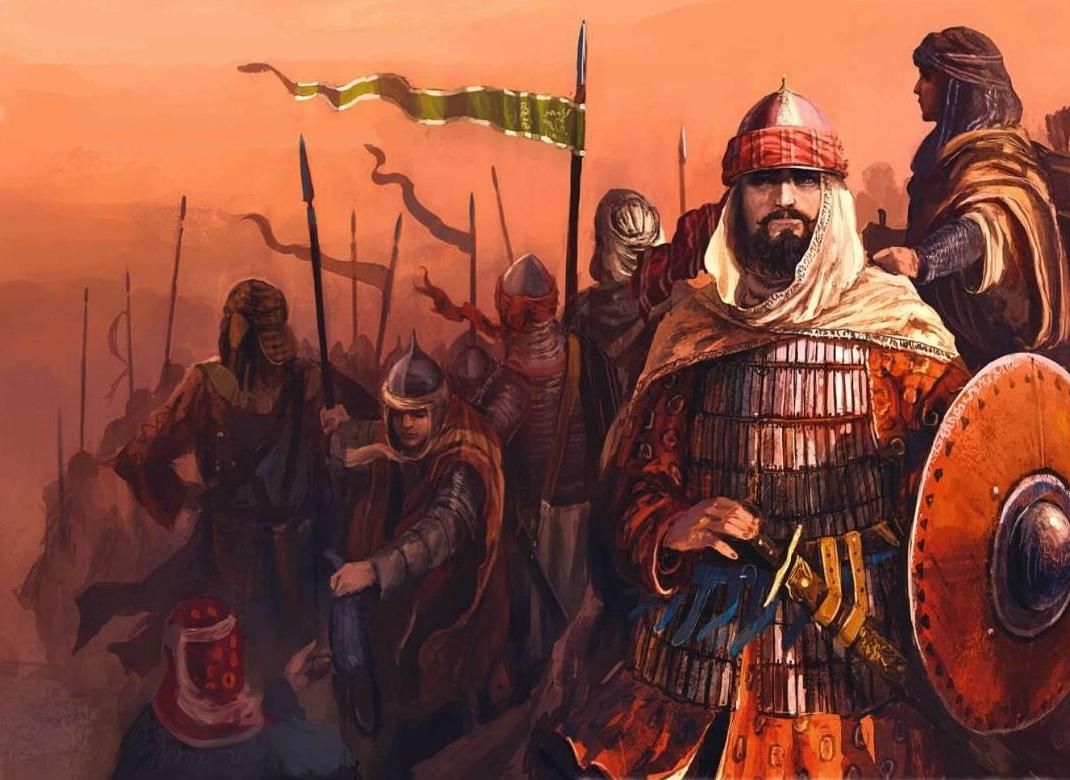
🌟 The Rise of Saladin
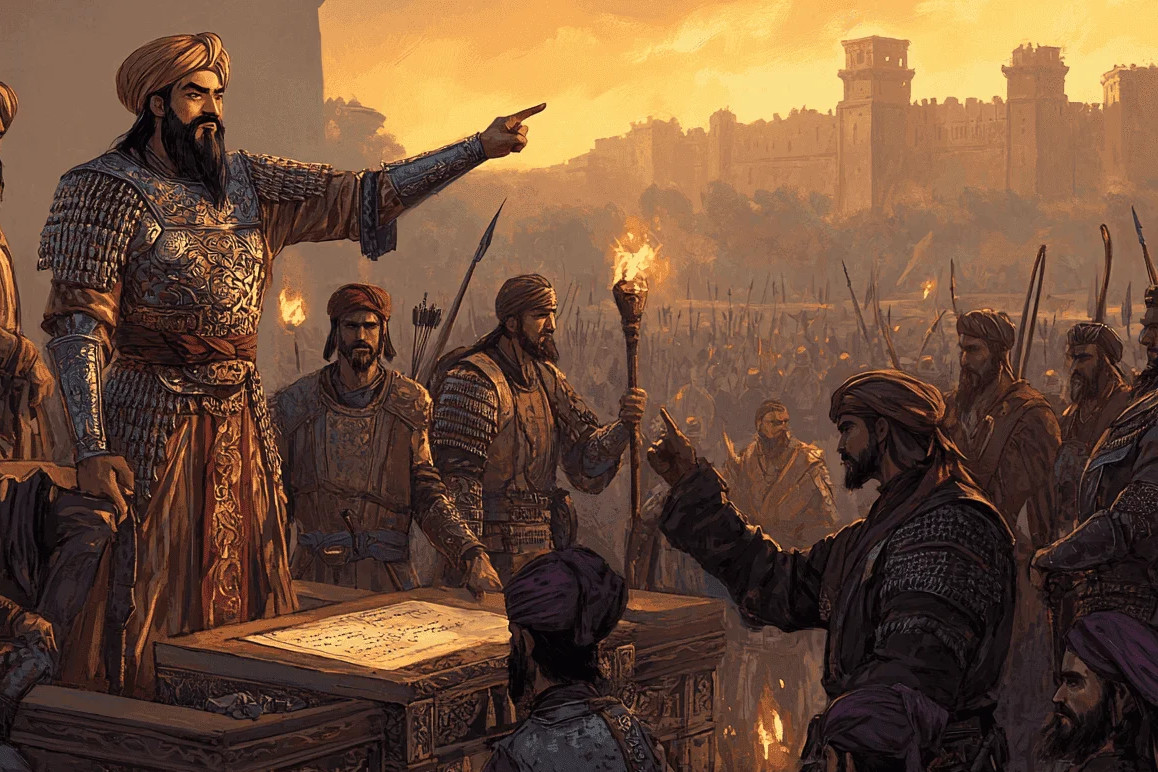
Saladin was a brilliant Muslim military leader who became the Sultan of Egypt and Syria. In 1187, he launched a major campaign against the Crusader Kingdom of Jerusalem.
✝️ Recognizing Virtue in Others
Saladin was widely respected, even by his Christian enemies, for his honor, mercy, and chivalry. After recapturing Jerusalem in 1187, he treated Christian inhabitants with remarkable clemency, allowing them to leave safely upon payment of ransom. He protected Christian holy sites and allowed Christian pilgrims to visit.
This historical example reminds us of an important Catholic teaching: truth and goodness can be found in all people, regardless of their religion. The Second Vatican Council declared:
"The Catholic Church rejects nothing that is true and holy in these religions. She regards with sincere reverence those ways of conduct and of life, those precepts and teachings which, though differing in many aspects from the ones she holds and sets forth, nonetheless often reflect a ray of that Truth which enlightens all men." - Nostra Aetate (Declaration on Non-Christian Religions), 1965
⚔️ The Battle of Hattin (1187)
Saladin's forces virtually destroyed the Christian army and recaptured Jerusalem. This was one of the most important battles in Crusader history!
👑 Three Famous Kings Respond
🦁 Richard the Lionheart
King of England - Famous for his bravery and military skill. He defeated Saladin at the Battle of Arsuf in 1191. Despite being enemies, Richard and Saladin developed mutual respect.
👑 Philip II
King of France - Participated but returned home early
🛡️ Frederick Barbarossa
Holy Roman Emperor - Sadly drowned in a river before reaching Syria
🤝 A Peace Treaty
In September 1192, Richard and Saladin signed a peace treaty. The Crusaders kept control of some coastal areas, but Jerusalem remained under Muslim control.
✝️ The Value of Peace and Diplomacy
The Treaty of Jaffa (1192) demonstrated that peaceful negotiation could achieve what warfare could not. The treaty allowed Christian pilgrims to visit Jerusalem safely and guaranteed protection of Christian holy sites.
This illustrates an important principle of Catholic social teaching: peace is not merely the absence of war, but the presence of justice and respect for human dignity. Pope Paul VI famously declared, "If you want peace, work for justice."
The Catechism of the Catholic Church teaches: "Peace is not merely the absence of war... Peace cannot be attained on earth without safeguarding the goods of persons, free communication among men, respect for the dignity of persons and peoples, and the assiduous practice of fraternity" (CCC 2304).
🤔 Reflection: Respect Across Religious Lines
The mutual respect between Richard and Saladin, and Saladin's merciful treatment of Christians, challenges us to see those of other faiths not as enemies but as fellow human beings created by God.
As Catholics, we are called to interfaith dialogue and cooperation, working together with people of all faiths for the common good, peace, and justice.
💡 Amazing Fact!
Richard the Lionheart and Saladin never actually met in person, but they respected each other as noble warriors. Their rivalry became legendary!
🔄 A Crusade Gone Wrong
The Fourth Crusade took an unexpected and controversial turn. Instead of fighting Muslims in the Holy Land, the Crusaders attacked the Christian city of Constantinople!
🤔 Why Did This Happen?
Political conflicts between European and Byzantine leaders, combined with financial debts to Venice, caused the Crusaders to change their target.
💔 The Fall of Constantinople
In 1204, Crusaders conquered and looted the magnificent Byzantine capital, one of the greatest cities in the world.
⚠️ A Grave Sin Against Christian Unity
The sack of Constantinople was a catastrophic betrayal of Christian brotherhood. Crusaders pillaged churches, stole sacred relics, destroyed priceless religious art, and killed fellow Christians. Pope Innocent III condemned these actions.
This event created a deep wound between Eastern (Orthodox) and Western (Catholic) Christianity that has lasted for centuries.
✝️ The Importance of Christian Unity
The Fourth Crusade stands as a painful reminder of what happens when Christians turn against one another. Jesus prayed for unity among his followers: "That they may all be one, as you, Father, are in me and I in you" (John 17:21).
Ecumenism—the effort to restore unity among Christian denominations—is a vital mission of the Catholic Church today. In 1965, Pope Paul VI and Patriarch Athenagoras I lifted the mutual excommunications between the Catholic and Orthodox Churches that had stood since 1054.
Pope John Paul II called the division between East and West Christianity a "sin" and repeatedly asked for forgiveness for Catholic offenses against Orthodox Christians.
🤔 Reflection: Acknowledging Historical Wrongs
As Catholics, we must honestly confront the sins of our past, including the Fourth Crusade. True faith requires humility and the courage to admit when we have failed to live up to the Gospel.
Pope John Paul II set a powerful example by publicly apologizing for historical Catholic sins during the Jubilee Year 2000, including sins committed during the Crusades.
This teaches us that Christian discipleship involves both celebrating our heritage and repenting of our failures, always seeking reconciliation and healing.
⚠️ Important to Remember
The Fourth Crusade never reached the Holy Land and seriously damaged relations between Eastern and Western Christianity.
🔢 Multiple Crusades Continue
Throughout the 13th century, several more Crusades were launched, but none were as successful as the First Crusade.
Attacked Egypt but ended in defeat. Led by Pope Innocent III.
Emperor Frederick II peacefully negotiated control of Jerusalem through diplomacy, not war!
King Louis IX of France attacked Egypt but was captured and later released.
Louis IX tried again but died during the campaign in Tunis, North Africa.
✝️ St. Louis IX - A Crusader Saint
King Louis IX of France (St. Louis) led two Crusades and is venerated as a saint in the Catholic Church. He was known for his deep personal piety, charity to the poor, and administration of justice.
While Louis sincerely believed crusading was his Christian duty, his greatest legacy was not military conquest but his works of mercy: he built hospitals, cared for lepers, reformed the legal system to protect the weak, and promoted peace.
St. Louis's life reminds us that holiness is found not in violence, but in serving others, pursuing justice, and living humbly before God. His patronage of the poor and sick reflects the heart of Catholic social teaching.
🤔 Reflection: The Sixth Crusade's Lesson
The Sixth Crusade achieved through peaceful negotiation what others could not gain through warfare—temporary control of Jerusalem and guaranteed access for Christian pilgrims.
This demonstrates a key Catholic principle: dialogue and diplomacy are morally superior to violence. As Pope Francis teaches, "War is always a defeat for humanity."
The Catechism states: "All citizens and all governments are obliged to work for the avoidance of war" (CCC 2308).
👑 The Mamluks
A new dynasty called the Mamluks rose to power in Egypt. These former slaves became powerful warriors who defeated both the Crusaders and the Mongol invaders!
📖 The Children's Crusade (1212)
Thousands of young people vowed to march to Jerusalem. While it's called the "Children's Crusade," historians question whether they were really all children. The group never reached the Holy Land.
⚠️ A Tragic Example of Misguided Faith
The Children's Crusade represents how religious fervor, without proper guidance and wisdom, can lead to tragedy. Many young participants died, were enslaved, or never returned home.
This reminds us that authentic faith must be accompanied by reason, wisdom, and the guidance of the Church. Emotion and enthusiasm alone are not sufficient guides for living the Christian life.
🏰 End of the Crusader States
By 1291, the last Crusader stronghold fell to the Mamluks. The Crusades to the Holy Land were over after nearly 200 years of conflict.
🔄 How Did the Crusades Change the World?
📚 Cultural Exchange
Europeans learned about Muslim science, mathematics, medicine, and philosophy. Many important texts were translated, including works of Aristotle preserved by Islamic scholars.
💰 Trade Expansion
Italian cities like Venice and Genoa became wealthy through trade with the East, bringing spices, silk, and other goods to Europe.
🏛️ Political Changes
The Crusades weakened feudalism and strengthened the power of kings and centralized governments.
⚔️ Military Innovation
New weapons, castle designs, and military tactics were developed and shared between cultures.
✝️ Religious Orders Born from the Crusades
Several Catholic religious orders were founded during the Crusades that continue serving the Church today:
The Knights Hospitaller (Order of Malta): Originally founded to care for sick pilgrims in Jerusalem, they continue medical and charitable work worldwide today.
The Franciscans: St. Francis of Assisi traveled to Egypt during the Fifth Crusade (1219) to meet with Sultan al-Kamil. Rather than fighting, Francis sought peaceful dialogue and preached the Gospel through love and example. This encounter exemplifies the Catholic approach to interfaith relations that the Church promotes today.
These orders remind us that not all Christians responded to the Crusades with violence—some sought to serve through healing, charity, and peaceful witness.
💔 Negative Consequences
Religious Intolerance: The Crusades created lasting mistrust and hostility between Christians and Muslims that affects the world even today.
Violence and Destruction: Hundreds of thousands of people died, and great cities and cultural treasures were destroyed.
Persecution: Jewish communities in Europe were often attacked by Crusaders traveling to the Holy Land, resulting in terrible massacres.
Corruption of Christian Witness: The violence committed in Christ's name contradicted his teachings of love and mercy, damaging Christianity's credibility and moral authority.
✝️ The Church's Contemporary Teaching
The Catholic Church today explicitly rejects religious violence and promotes interfaith dialogue and respect. Key Church teachings include:
On Islam: "The Church regards with esteem also the Muslims. They adore the one God, living and subsisting in Himself; merciful and all-powerful, the Creator of heaven and earth, who has spoken to men" - Nostra Aetate, Second Vatican Council (1965)
On Judaism: The Church "decries hatred, persecutions, displays of anti-Semitism, directed against Jews at any time and by anyone" - Nostra Aetate
On Religious Freedom: "The human person has a right to religious freedom... no one is to be forced to act in a manner contrary to his own beliefs" - Dignitatis Humanae, Second Vatican Council (1965)
Pope John Paul II's Apology (2000): During the Great Jubilee, Pope John Paul II offered a historic apology for sins committed by Catholics throughout history, including violence during the Crusades, asking forgiveness from God and those harmed.
Pope Francis on Interreligious Dialogue: "Authentic interreligious dialogue promotes mutual respect and good will, opening paths of dialogue and collaboration in service of the common good" (2019)
🤔 Learning from History
The Crusades teach us crucial lessons about the dangers of mixing religion with violence, the importance of respecting human dignity, and the need for dialogue over confrontation.
As Catholics today, we are called to:
- Build bridges, not walls between people of different faiths
- Promote peace and work for justice through non-violent means
- Respect religious freedom and the dignity of all people
- Engage in honest dialogue that seeks mutual understanding
- Acknowledge and learn from the mistakes of the past
- Work together with people of all faiths for the common good
"Blessed are the peacemakers, for they will be called children of God." - Matthew 5:9
🤔 Think About It!
The Crusades show us how religion, politics, and economics can combine to create major historical events. Understanding this complex history helps us better understand our modern world and our responsibility to promote peace and understanding.
🕊️ Moving Forward with Hope
While the Crusades represent a difficult chapter in Catholic history, they also provide valuable lessons for how we should live our faith today. The Church has grown in understanding and seeks to build a future based on peace, dialogue, and mutual respect.
✝️ Core Catholic Social Teachings
Human Dignity: Every person is created in the image and likeness of God (Genesis 1:27) and possesses inherent dignity that must be respected, regardless of religion, nationality, or background.
Solidarity: We are one human family with obligations to one another. Pope John Paul II taught that solidarity "is not a feeling of vague compassion... but a firm and persevering determination to commit oneself to the common good."
The Common Good: We must work for conditions that allow all people to reach their God-given potential. This requires justice, peace, and respect for human rights.
Preferential Option for the Poor and Vulnerable: We have a special obligation to protect and serve those who are marginalized, suffering, or powerless—including victims of war and violence.
🤝 Catholic-Muslim Dialogue Today
The Vatican has established formal dialogue with Muslim leaders worldwide. The Pontifical Council for Interreligious Dialogue promotes understanding and cooperation between Catholics and Muslims.
Pope Francis signed the "Document on Human Fraternity" with the Grand Imam of Al-Azhar in 2019, declaring that religious diversity is "willed by God" and calling for peace, coexistence, and mutual respect.
🕊️ Peacebuilding Efforts
Catholic organizations like Pax Christi (Peace of Christ), Catholic Relief Services, and Caritas Internationalis work for peace, justice, and reconciliation in conflict zones around the world.
The Community of Sant'Egidio has mediated peace agreements in numerous conflicts, demonstrating the Church's commitment to non-violent conflict resolution.
📖 Scripture and Peace
The Bible contains powerful teachings on peace that should guide Catholic responses to conflict:
- "Love your enemies and pray for those who persecute you" - Matthew 5:44
- "Blessed are the peacemakers, for they will be called children of God" - Matthew 5:9
- "Put your sword back into its sheath" - Jesus to Peter, John 18:11
- "If it is possible, as far as it depends on you, live at peace with everyone" - Romans 12:18
- "Do not be overcome by evil, but overcome evil with good" - Romans 12:21
✝️ Saints Who Exemplify Peace
St. Francis of Assisi (1181-1226): During the Fifth Crusade, Francis crossed enemy lines to meet Sultan al-Kamil of Egypt. Instead of condemning or fighting, Francis sought respectful dialogue. Though he didn't convert the Sultan, he established mutual respect and friendship. St. Francis's approach of humble dialogue is the model the Church follows today.
St. Mother Teresa of Calcutta (1910-1997): She served the poorest of the poor regardless of their religion, showing Christ's love through action. She said, "If we have no peace, it is because we have forgotten that we belong to each other."
St. Pope John Paul II (1920-2005): Survived an assassination attempt yet forgave his attacker. He was the first pope to visit a mosque (in Damascus, 2001) and consistently promoted interfaith dialogue and reconciliation.
St. Teresa of Calcutta's Prayer for Peace:
"The fruit of silence is prayer,
The fruit of prayer is faith,
The fruit of faith is love,
The fruit of love is service,
The fruit of service is peace."
🎓 Catholic Education's Role
Catholic schools like Archbishop Carney Regional Secondary have a special mission to educate students in:
- Critical thinking about history, including difficult topics
- Moral formation based on Gospel values
- Respect for diversity and interfaith understanding
- Commitment to justice and peace in our world
- Service to others, especially the marginalized
💭 Personal Reflection Questions
Consider these questions as you reflect on the Crusades and Catholic teaching:
- How can studying difficult parts of Church history strengthen rather than weaken our faith?
- In what ways can I promote peace and understanding in my own community?
- How does Jesus's command to "love your enemies" challenge me personally?
- What does it mean to respect people of other faiths while remaining faithful to Catholic beliefs?
- How can I be a "peacemaker" in my daily life at school, home, and in my community?
- What can I learn from saints like Francis of Assisi about approaching people who are different from me?
✝️ A Prayer for Peace
The Prayer of St. Francis:
Lord, make me an instrument of your peace:
where there is hatred, let me sow love;
where there is injury, pardon;
where there is doubt, faith;
where there is despair, hope;
where there is darkness, light;
where there is sadness, joy.
O divine Master, grant that I may not so much seek
to be consoled as to console,
to be understood as to understand,
to be loved as to love.
For it is in giving that we receive,
it is in pardoning that we are pardoned,
and it is in dying that we are born to eternal life.
Amen.
🌟 Living Your Faith Today
You can be a witness to peace and reconciliation by:
- Learning about other religions with openness and respect
- Standing against prejudice, stereotypes, and discrimination
- Participating in interfaith service projects
- Praying for peace and unity in our world
- Treating everyone with dignity, regardless of their background
- Resolving conflicts peacefully through dialogue and forgiveness
✅ Important Questions to Consider:
❓ Question 1
What were the main reasons Europeans launched the First Crusade in 1095?
❓ Question 2
Who was Saladin, and why was he such an important figure in Crusades history?
❓ Question 3
How did the Fourth Crusade differ from the other Crusades, and what were its consequences?
❓ Question 4
What were some positive and negative effects of the Crusades on European and Middle Eastern societies?
❓ Question 5
Why did the Crusades ultimately fail to permanently establish Christian control over the Holy Land?
❓ Question 6 (Catholic Perspective)
How does the Catholic Church view the Crusades today, and what has the Church learned from this historical period?
❓ Question 7 (Catholic Perspective)
What is Just War Theory, and how might it be applied to evaluate the Crusades?
❓ Question 8 (Catholic Perspective)
How did St. Francis of Assisi's approach to Muslims during the Crusades differ from military crusaders?
❓ Question 9 (Catholic Perspective)
What does Catholic social teaching today say about interfaith relations and religious violence?
❓ Question 10 (Catholic Perspective)
How can Catholics today work for peace and reconciliation in a world still affected by religious conflict?
📖 Vocabulary Review:
Pope Urban II Byzantine Empire Crusader States Richard the Lionheart Battle of Hattin Constantinople Mamluks Feudalism Just War Theory St. Francis of Assisi Nostra Aetate Interfaith Dialogue Catholic Social Teaching Human Dignity Solidarity Common Good📚 Additional Catholic Resources
To learn more about Catholic perspectives on peace, interfaith relations, and social justice:
- Catechism of the Catholic Church - Sections on peace (2302-2317)
- Nostra Aetate - Vatican II Declaration on Non-Christian Religions (1965)
- Pacem in Terris - Pope John XXIII's encyclical "Peace on Earth" (1963)
- Evangelii Gaudium - Pope Francis on dialogue and peace (2013)