The Black Death: Faith, Fear, and Resilience in Medieval Europe - Comprehensive Analysis
Archbishop Carney Regional Secondary School

The Black Death

Faith, Fear, and Resilience in Medieval Europe: A Catholic Historical Analysis
Teacher: Dr. Pierre Sabbagh
Course: Social Studies 8
Room: 301 - Portable

The Great Mortality

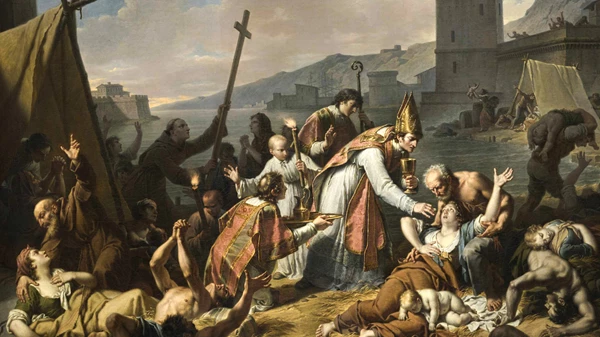
Between 1347 and 1353, Europe faced the deadliest pandemic in recorded history. This cataclysmic event would test faith, transform society, and reveal both the darkest fears and brightest virtues of humanity through the lens of Catholic tradition.

☠️ Introduction: The Great Mortality That Changed the World

The Black Death, known contemporaneously as the Great Mortality or Pestilence, was not merely a historical event but a cataclysmic transformation of medieval civilization. Arriving in Europe in 1347, this pandemic would claim an estimated 75-200 million lives across Eurasia, reducing Europe's population by 30-60% in just six years. The scale of mortality was unprecedented—entire villages vanished, cities became ghost towns, and the social fabric of Christendom was torn asunder.
Key Statistics: The Scale of Devastation

  • Time Period: 1347–1353 (primary wave), with recurrent outbreaks until the 18th century
  • Estimated Deaths: 75–200 million across Eurasia (approximately 25-60% of Europe's population)
  • Transmission Vector: Yersinia pestis bacterium carried by fleas on black rats
  • Speed of Spread: Could travel up to 5 kilometers per day along trade routes
  • Mortality Rate: 80-90% for untreated bubonic plague, nearly 100% for pneumonic form

AI generated video- Tim Reborn History, used for educational purposes.
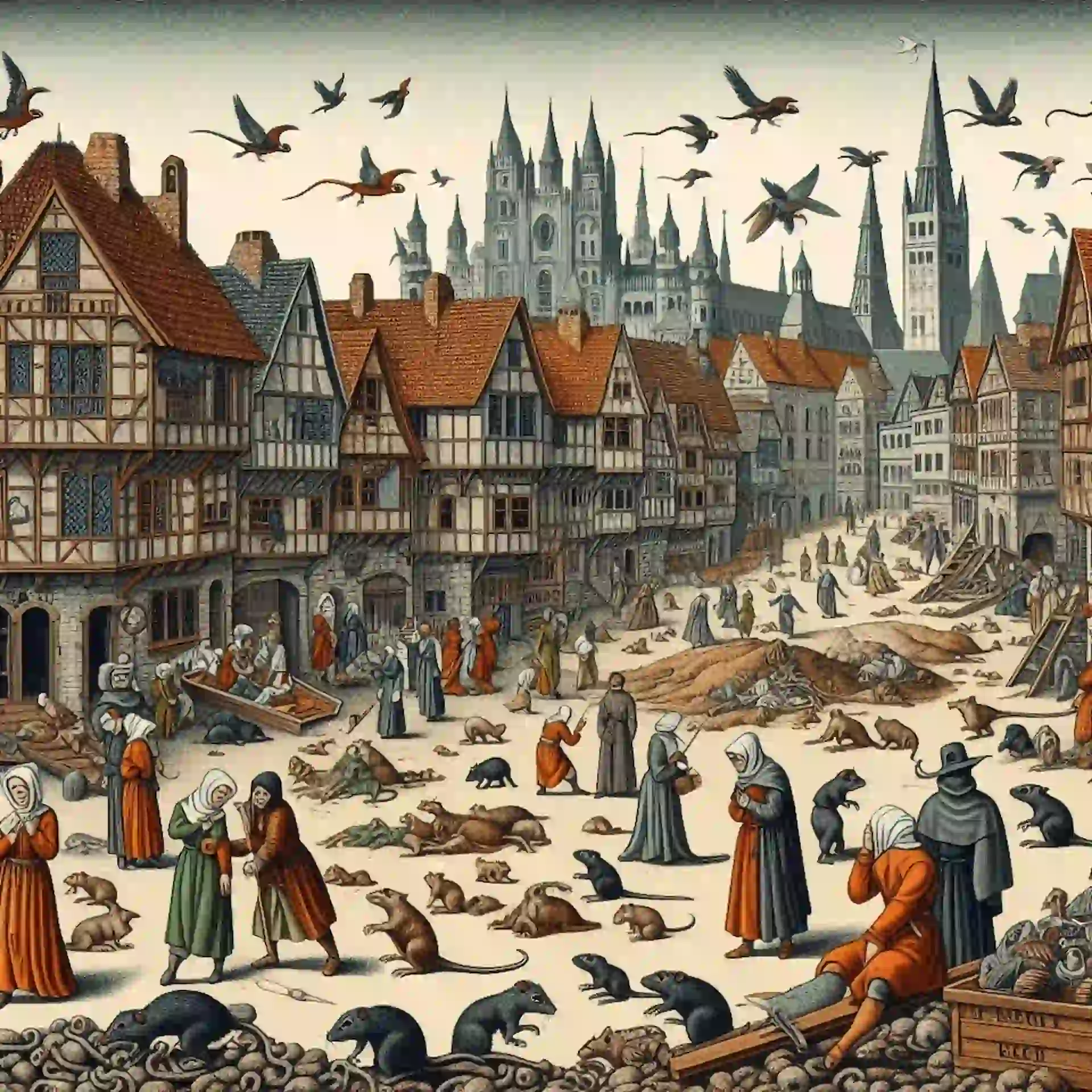
🔬 Scientific & Historical Causes: Understanding the Pestilence

The Biological Agent: Yersinia pestis

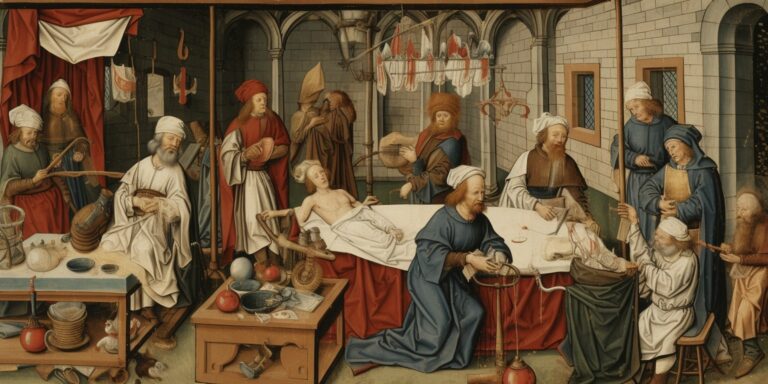
Modern science has identified the bacterium Yersinia pestis as the causative agent of the Black Death. Medieval medicine, attributed the plague to "miasma" (bad air), planetary alignments, or divine punishment. The true transmission cycle involved:

Transmission Cycle:

Wild rodent reservoir → Flea vector → Black rat → Human infection

Historical Context: The Perfect Storm

Several factors converged to create ideal conditions for pandemic spread:

  • The Little Ice Age (c. 1300-1850): Colder temperatures reduced harvests, leading to malnutrition and weakened immune systems
  • Increased Trade: Expanding Silk Road commerce facilitated pathogen transmission
  • Urban Density: Medieval cities lacked sanitation; houses were crowded together with poor ventilation
  • Ecological Factors: Rodent population explosions preceded major outbreaks
🌍 Global Spread: The Pandemic's Journey

The Silk Road Pandemic

The Black Death started in the middle of Asia. It traveled on busy roads where people traded goods. By 1346, it reached a port city called Kaffa (today called Feodosia in Ukraine). From that city, it hid on big trading ships. When the ships sailed to other countries around the Mediterranean Sea, they carried the sickness with them, and it spread to new places.

1330s

The plague began in Central Asia. Changes in the climate might have caused more rats and fleas (which carried the disease) to come near people.

1346

The plague arrived at the port city of Kaffa. It is said that during a war, the attacking army threw dead bodies of plague victims into the city to make the people inside sick.

October 1347

Twelve Italian trading ships arrived in Sicily. Most of the sailors were dead or dying from the plague. This is how the pandemic started in Europe.

1348

The plague quickly spread to major cities like Venice, Genoa, Marseille, Paris, and London. It traveled along trade routes, moving as fast as 2 to 5 kilometers every day.

1349

The disease reached Scandinavia and Eastern Europe. One infected ship from England brought it to Norway.

1351

The plague reached Russia. The first major wave ended, but smaller outbreaks continued for centuries.

Transmission Mechanisms:

  • Maritime Spread: Merchant ships with infected rats and fleas served as mobile reservoirs
  • Overland Routes: Followed major pilgrimage routes and trading roads
  • River Systems: Major rivers like the Rhine, Danube, and Rhône accelerated inland spread
  • Human Movement: Fleeing populations carried the disease to unaffected regions

🧭 Catholic Worldview: Pilgrimage and Pandemic

Medieval Christians understood disease through theological frameworks. Many interpreted the plague as divine punishment for sin, leading to mass penitential processions. Ironically, these gatherings became super-spreader events. The Church struggled to reconcile the catastrophe with belief in a loving God, leading to theological developments about redemptive suffering and the communion of saints.

🏰 Societal Impact: The Medieval World Transformed

The Black Death initiated the most profound demographic, economic, and social transformation in European history since the fall of Rome. The scale of mortality created a "death shock" that reverberated through every aspect of medieval life.

Demographic Catastrophe

Europe's population fell from approximately 80 million in 1340 to 50-60 million by 1400. Some regions experienced near-total depopulation:

Region/City Estimated Mortality Social Consequences
Florence, Italy 45-75% Economic collapse, artistic response in Boccaccio's Decameron
London, England 40-50% Labor shortages, Peasants' Revolt of 1381
Rural Provence 60-80% Abandoned villages (villages désertés), agricultural collapse
Bergen, Norway 60-65% Trade decline, weakened Hanseatic League influence

Economic Revolution

The drastic reduction in population created a labor shortage that fundamentally altered feudal economics:

  • Wage Inflation: Surviving laborers could demand 2-3 times pre-plague wages
  • Decline of Serfdom: Peasants gained mobility and bargaining power
  • Land Abundance: Abandoned fields lowered land values, allowing upward mobility
  • Commercial Innovation: New financial instruments and trade practices emerged

❤️ Catholic Social Teaching: Human Dignity Amidst Crisis

The Catechism teaches that "the human person is willed by God... each of us is the result of a thought of God" (CCC 279). During the plague, this inherent dignity was often violated:

  • Mass graves without proper burial rites
  • Abandonment of the sick by their families
  • Scapegoating of marginalized groups (Jews, lepers, foreigners)

Yet, Catholic responses also modeled human dignity through:

  • Clergy administering Last Rites to the dying
  • Monastic communities caring for orphans
  • Communal prayers for the dead and dying
✝️ The Church's Response: Sacrifice, Crisis, and Renewal

As the central institution of medieval life, the Catholic Church faced unprecedented challenges during the Black Death. Its responses revealed both institutional weaknesses and heroic sanctity, ultimately contributing to both crisis and renewal.

Sacrificial Ministry of the Clergy

Priests, monks, and nuns served on the front lines of the pandemic. Their sacramental duties required close contact with the infected:

  • Anointing of the Sick: Administering Last Rites required physical contact
  • Confession: Heard in close proximity during final hours
  • Burial Rites: Conducting funerals for plague victims
  • Spiritual Care: Comforting the dying and bereaved

Result: Clergy mortality reached 40-50%, significantly higher than general populations. In some dioceses, 70% of priests died. This created a crisis of pastoral care and led to hastily trained replacements.

"No one has greater love than this, to lay down one's life for one's friends."
— John 15:13
The clergy's sacrificial service embodied this Gospel imperative

Theological Crisis and Development

The scale of suffering provoked profound theological questions:

  • The Problem of Evil: How could a loving God permit such devastation?
  • Sacramental Crisis: Could Last Rites be administered by laypeople if priests were unavailable?
  • Eschatological Anxiety: Many believed the plague signaled the End Times
  • Penitential Theology: Flagellant movements emerged, believing self-mortification could avert divine wrath

🕊️ Virtues in Action: The Theological and Cardinal Virtues

The pandemic revealed both the absence and presence of virtue:

  • Faith: Tested by mass death, yet many found deeper trust in God's providence
  • Hope: The belief in eternal life comforted those facing mortality
  • Charity: Exemplified by those who cared for the sick despite personal risk
  • Prudence: Some communities implemented quarantine measures
  • Justice: Calls for fair treatment of marginalized groups emerged
  • Fortitude: Facing death with courage and resignation to God's will
  • Temperance: Moderation in reaction, avoiding panic and scapegoating
🏠 Daily Life During the Pandemic

For ordinary people, the Black Death transformed daily existence into a struggle for survival marked by fear, innovation, and adaptation.

Public Health Measures

Medieval communities developed practical responses that laid foundations for modern public health:

  • Quarantine: The term derives from Italian quaranta giorni (forty days). Venice established the first formal quarantine in 1377, requiring ships to anchor for 40 days before landing.
  • Isolation: Plague houses were marked with red crosses and the words "Lord have mercy on us." Watchmen ensured no one entered or left.
  • Sanitation: Some cities organized waste removal and cleaned streets, though understanding of germ theory was centuries away.
  • Travel Restrictions: Some towns banned outsiders or required health certificates.

The Plague Doctor: Medieval PPE

The iconic plague doctor costume, developed in the 17th century but inspired by earlier practices, included:

  • Beak Mask: Filled with aromatic herbs (lavender, mint, roses) to filter "miasma"
  • Waxed Leather Gown: Treated with suet to repel bodily fluids
  • Leather Gloves: Protection during examinations
  • Wooden Stick: Used to examine patients without touching them

🤝 Corporal Works of Mercy in Practice

Despite overwhelming fear, many Christians practiced the Corporal Works of Mercy:

  1. Feed the hungry: Neighbors left food for quarantined families
  2. Give drink to the thirsty: Water brought to the sick
  3. Clothe the naked: Distribution of clothing from the dead to the living
  4. Shelter the homeless: Monasteries took in orphans and refugees
  5. Visit the sick: Clergy and some laypeople provided care
  6. Visit the imprisoned: Those quarantined were comforted
  7. Bury the dead: Special burial crews formed, often from marginalized groups
🙏 Saints and Heroes: Catholic Virtues in Action

Amidst the darkness, individual Catholics and religious communities became beacons of hope, demonstrating heroic virtue and self-sacrifice.

Plague Saints and Their Legacies

St. Roch (1295-1327)

Patron: Plague victims, the sick, dogs

Story: Born in Montpellier, France, Roch dedicated his inheritance to the poor and made pilgrimage to Rome. Along the way, he cared for plague victims, reportedly curing many with the sign of the cross. When he contracted plague himself, he withdrew to the forest where a dog brought him bread daily.

Legacy: Invoked during plague outbreaks; his relics were believed to stop the 1414 plague in Constance.

St. Catherine of Siena (1347-1380)

Patron: Nurses, those ridiculed for piety, Europe

Story: Born the year the plague reached Italy, Catherine joined the Dominican tertiaries. During later outbreaks, she fearlessly nursed the sick in Siena's hospitals when others refused to touch them. Her letters show profound theological reflection on suffering and divine love.

Legacy: Doctor of the Church; exemplified seeing Christ in the sick.

The Monastic Response: Hospitals of the Middle Ages

  • Infirmaries: Separate buildings for caring for sick monks and outside patients
  • Herbal Medicine: Monastery gardens grew medicinal plants; some had real efficacy
  • Spiritual Care: Integration of prayer with physical care
  • Hospice Care: Comfort for the dying when cure was impossible
  • Record Keeping: Monastic chronicles provide crucial historical data

⚖️ Catholic Social Teaching Emerging from Crisis

The Black Death indirectly contributed to developments in Catholic social thought:

  • Dignity of Labor: Higher wages recognized workers' inherent value
  • Preferential Option for the Poor: Care for the sick poor exemplified this principle
  • Solidarity: Recognition of shared vulnerability fostered mutual aid
  • Subsidiarity: Local responses (quarantine, care) often proved most effective
  • Common Good: Public health measures served community welfare
📜 Long-term Consequences: Reshaping European Civilization

The Black Death was not merely a catastrophic event but a historical pivot point that accelerated existing trends and initiated profound transformations across every facet of European life.

The End of Medieval Society

  1. Feudalism's Collapse: The labor shortage empowered peasants to demand better conditions, leading to:
    • Wage increases
    • Mobility rights (serfs could leave manors for better opportunities)
    • Peasant revolts
  2. Economic Transformation:
    • Shift from grain to livestock (required less labor)
    • Increased urbanization as survivors moved to cities
    • Growth of banking and credit systems
    • Consumer economy emergence as survivors inherited wealth
  3. Religious Reformation Seeds:
    • Criticism of clerical corruption and absenteeism
    • Lay piety movements (Modern Devotion, Brethren of the Common Life)
    • Vernacular Bible reading increased
    • Erosion of papal authority during Western Schism (1378-1417)
  4. Cultural Renaissance:
    • Memento Mori art emphasizing mortality (Danse Macabre, transi tombs)
    • Increased focus on individual in literature and portraiture
    • Vernacular literature flourished (Chaucer, Boccaccio)
    • Questioning of traditional authorities sparked intellectual curiosity
💡 Contemporary Lessons: From Medieval Plague to Modern Pandemic

Studying the Black Death is not merely historical curiosity but provides crucial insights for confronting modern challenges, from COVID-19 to climate change, through the lens of Catholic social teaching and human experience.

Parallels Between Then and Now

14th Century Black Death

  • Originated from animal-human transmission
  • Spread through global trade networks
  • Disproportionately affected the poor and marginalized
  • Caused economic disruption and labor shortages
  • Led to scapegoating of minority groups
  • Inspired both fear-driven and compassionate responses
  • Accelerated existing social and economic trends

21st Century COVID-19

  • Originated from animal-human transmission
  • Spread through global travel networks
  • Disproportionately affected vulnerable populations
  • Caused economic disruption and labor reallocation
  • Led to discrimination against certain ethnic groups
  • Inspired both fear-driven and compassionate responses
  • Accelerated digital transformation and remote work

🕊️ Theological Virtues for Modern Crises

✝️
FAITH

Trust in God's providence amid uncertainty, while responsibly using human intelligence (science) to address challenges.

🌟
HOPE

Belief that suffering is not meaningless and that resurrection follows the cross, both individually and collectively.

❤️
CHARITY

Love expressed through protecting the vulnerable, supporting healthcare workers, and building community solidarity.

Reflect & Discuss: Applying Historical Insights

Personal Reflection

1. How can I practice solidarity with those suffering in my community today?

2. What fears do I need to overcome to serve others during crises?

3. How does my faith inform my response to suffering and uncertainty?

Community Discussion

1. How can our school embody Catholic social teaching during public health challenges?

2. What lessons from the Black Death are most relevant for today's world?

3. How do we balance precaution with compassion in responding to pandemics?

Integrating Faith and Science

The Black Death experience teaches us that faith and science are not opposed but complementary:

  • Science helps us understand and combat disease through medicine and public health
  • Faith provides meaning, community, and spiritual resources for coping with suffering
  • Ethics guides how we apply scientific knowledge with compassion and justice
  • Community sustains us through collective action and mutual support

Final Thought

The Black Death reminds us that pandemics test not just our medical systems but our moral character. As Catholics, we are called to respond with both prudent action and compassionate hearts, remembering that every person—whether in 1348 or today—is a beloved child of God deserving of dignity and care.

📚 Vocabulary Guide: Key Terms Explained

This guide explains some of the more challenging words and expressions used in this study. Understanding these terms will help you better grasp the historical and religious concepts discussed.

Word/Expression Simple Explanation
Anointing of the SickA Catholic prayer and blessing for someone who is very sick, to comfort them and ask God for healing.
BacteriumA very tiny living thing that can cause sickness (plural: bacteria).
CataclysmicA sudden, violent event that causes great destruction and change.
ChristendomThe worldwide community of Christians, especially in medieval times when Christianity was the main religion in Europe. (similar word with "dom": Kingdom)
ClergyReligious leaders like priests, ministers, and pastors.
Communion of SaintsThe spiritual connection between all Christians—those living, dead, and in heaven.
DemographicRelated to the study of populations, such as how many people live, die, or move.
EschatologicalRelated to beliefs about the end of the world, final judgment, and life after death.
FeudalismA medieval system where lords owned land and peasants (serfs) worked for them in exchange for protection.
FlagellantA person who whips themselves as a form of religious punishment or to show sorrow for sin.
Hanseatic LeagueA powerful group of trading cities in northern Europe during medieval times.
ImmunityThe body's ability to resist or fight off a disease.
Memento MoriLatin for "remember you will die." In art, it reminds people of death and the importance of living well.
MiasmaAn old theory that bad or smelly air caused diseases.
MonasticRelating to monks or nuns who live in religious communities.
PandemicA disease that spreads across many countries or the whole world.
PenitentialRelated to showing sorrow for sins, often through prayer or self-punishment.
PestilenceA deadly, fast-spreading disease.
Pneumonic plagueA form of plague that affects the lungs and can spread through coughing.
QuarantineKeeping people who are sick (or might be sick) away from others to stop disease from spreading.
Redemptive sufferingThe Christian idea that suffering can be offered to God and have spiritual value.
ReservoirIn disease terms, an animal or place where a germ lives and multiplies.
ScapegoatingBlaming a person or group for problems they didn't cause.
SerfdomThe condition of being a serf—a peasant who was tied to the land and owned by a lord.
SubsidiarityA Catholic social teaching that problems should be solved at the smallest, most local level possible.
TheologicalRelated to the study of God, religion, and religious beliefs.
Transmission vectorHow a disease is spread (e.g., by fleas, rats, or air).
VernacularThe everyday language of ordinary people, not a special or formal language.
Yersinia pestisThe scientific name for the bacteria that causes the plague.

Learning Tip

When you encounter a new word in your reading:

  1. Try to figure out its meaning from the sentence it's in (context clues)
  2. Look for word parts you recognize (prefixes, roots, suffixes)
  3. Use this table or a dictionary to check your understanding
  4. Try using the new word in your own sentences to remember it better